Family Matters: Supporting a Loved One Through Addiction Recovery

Addiction affects more than the individual struggling with substance use. It impacts families, friends, and communities, creating stress, confusion, and emotional strain. Supporting a loved one through recovery requires patience, understanding, and informed guidance. At My-Rehab, we believe that family involvement is a cornerstone of successful recovery, and we provide compassionate strategies to help loved ones navigate this challenging journey.

Understanding the Role of Family in Recovery

Emotional Support and Stability

A stable, supportive environment helps individuals feel safe and motivated during recovery. Emotional encouragement from family members can reduce feelings of isolation, shame, and guilt, which often accompany addiction. Consistent support fosters hope and reinforces the individual’s commitment to long-term sobriety.

Accountability and Structure

Family members can play a key role in helping loved ones maintain accountability. This may include assisting with treatment adherence, attending therapy sessions, and creating routines that reinforce healthy habits. Structured support strengthens the recovery process and promotes consistent progress.

Recognizing the Signs of Struggle

Families are often the first to notice changes in behavior or mood that indicate potential relapse. Warning signs may include:

  • Increased irritability or emotional outbursts
  • Withdrawal from family activities or social interactions
  • Neglecting personal responsibilities or hygiene
  • Secretive behavior or dishonesty regarding substance use

By understanding these signals, families can intervene early and seek professional guidance to prevent setbacks.

How Families Can Effectively Support Recovery

Educate Yourself About Addiction

Understanding the science of addiction helps families respond with empathy rather than judgment. Learning about withdrawal, cravings, relapse triggers, and the psychological impact of substance use equips families to provide informed support.

Participate in Family Therapy

Family therapy sessions, often available at My-Rehab, facilitate communication, rebuild trust, and address unresolved conflicts. Therapy helps family members express concerns constructively and learn strategies for supporting recovery without enabling destructive behaviors.

Set Healthy Boundaries

Supporting a loved one does not mean sacrificing personal well-being. Setting clear, compassionate boundaries protects both the family and the individual in recovery. Boundaries create a safe environment, prevent enabling behaviors, and promote personal responsibility.

Encourage Holistic and Self-Care Practices

Recovery involves mind, body, and spirit. Families can support participation in holistic therapies such as mindfulness, exercise, and creative outlets. Encouraging involvement in these programs fosters a healthier, more balanced recovery experience.

Supporting Long-Term Recovery

Celebrate Milestones and Progress

Recognizing achievements, no matter how small, boosts confidence and reinforces positive behavior. Celebrating progress encourages continued effort and strengthens motivation for long-term sobriety.

Build a Support Network

Recovery is strengthened by a community of care. Families should connect with support groups, counseling services, and peer networks to gain guidance, reduce stress, and share experiences with others facing similar challenges.

Healing Together

Addiction recovery is a journey, and families play a vital role in helping loved ones navigate it successfully. By offering emotional support, setting healthy boundaries, and participating in therapy, families can foster an environment conducive to lasting change.

At My-Rehab, we understand the profound impact of addiction on families. Our compassionate, client-centered programs integrate holistic, faith-based, and evidence-based approaches to support both individuals and their loved ones. If you or a family member is facing the challenges of addiction, reach out to My-Rehab today. Together, we can rebuild hope, restore relationships, and create a foundation for lasting recovery.
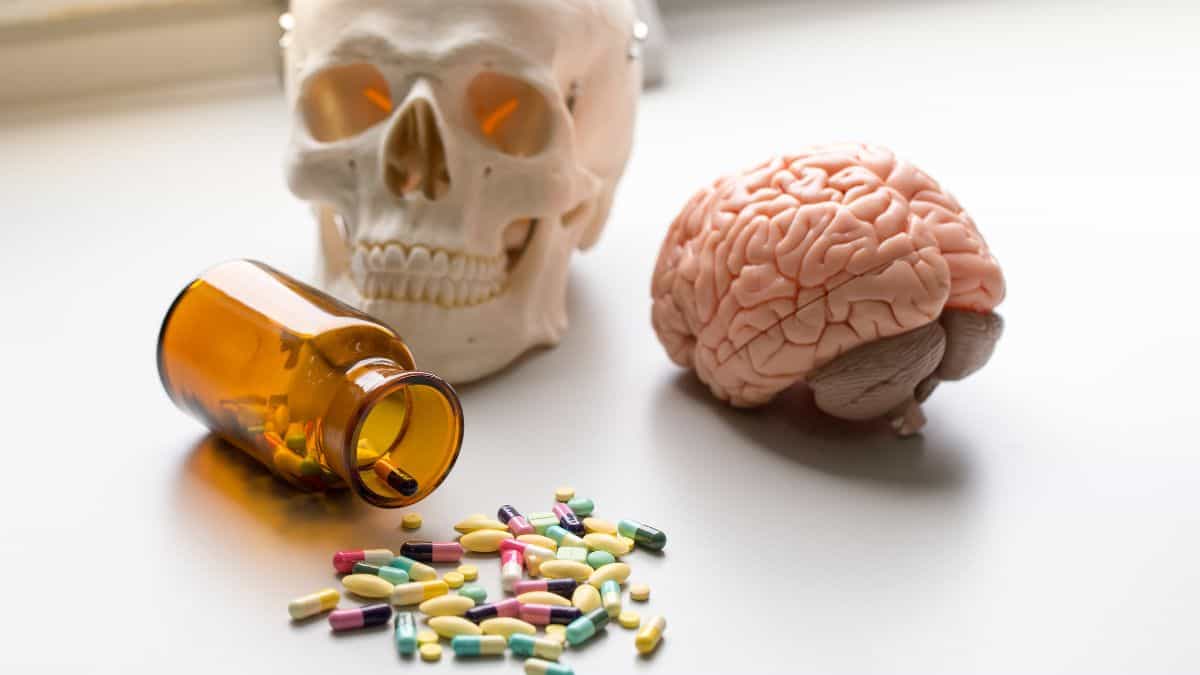

Holistic Healing in Rehab: Mind, Body, and Spirit Recovery

Recovery from addiction is more than just stopping substance use. True healing requires addressing the mind, body, and spirit to restore balance, health, and purpose. Holistic approaches in rehab provide this comprehensive care, complementing traditional medical and therapeutic interventions. At My-Rehab, we believe that lasting recovery is achieved when clients are treated as whole individuals, not just a collection of symptoms.

What Is Holistic Healing in Rehab?

Holistic healing is an integrative approach that focuses on the physical, emotional, and spiritual aspects of recovery. While medical detox and therapy are crucial, holistic practices help clients develop resilience, manage stress, and build healthy routines that support long-term sobriety.

Mind: Emotional and Cognitive Restoration

Addiction often disrupts thought patterns and emotional regulation. Holistic therapies help clients rebuild mental clarity, cope with cravings, and manage underlying issues such as anxiety, depression, or trauma. Techniques may include:

  • Cognitive Behavioral Therapy to reshape harmful thought patterns
  • Mindfulness and meditation to reduce stress and increase self-awareness
  • Art therapy or journaling to process emotions in a safe, constructive way

Body: Physical Health and Wellness

Substance use can have lasting effects on the body, including organ damage, sleep disturbances, and nutritional deficiencies. Holistic rehab programs address these issues with:

  • Exercise programs that promote physical strength and mental well-being
  • Nutrition counseling to restore energy and balance
  • Yoga or movement therapies to improve flexibility, reduce stress, and reconnect mind and body

Spirit: Finding Purpose and Meaning

Spirituality plays a vital role in many people’s recovery journeys. Faith-based support, guided reflection, and meditation practices help individuals connect with their inner selves, find purpose, and cultivate hope. Clients often experience increased resilience and a stronger sense of meaning, which can be crucial in preventing relapse.

How Holistic Healing Supports Long-Term Recovery

Personalized Care Plans

Every client’s recovery journey is unique. Holistic rehab programs are tailored to individual needs, ensuring that physical, emotional, and spiritual therapies complement medical and psychological treatment.

Integrated Mental Health Support

Many individuals with substance use disorders also face co-occurring mental health challenges. Holistic approaches, combined with dual diagnosis treatment, help address both addiction and underlying psychological conditions for more effective outcomes.

Building Healthy Habits and Coping Skills

Holistic practices teach clients practical skills for managing stress, cravings, and triggers. Techniques learned in rehab, such as meditation, journaling, or exercise routines, become lifelong tools that support ongoing sobriety.

The Role of Inpatient and Outpatient Holistic Programs

Inpatient Programs

Inpatient care provides a structured environment where clients can fully engage with holistic therapies alongside medical supervision and therapy sessions. The immersive experience helps individuals develop a strong foundation for recovery.

Outpatient Programs

Outpatient rehab allows clients to continue daily responsibilities while integrating holistic practices into their lives. Regular counseling, support groups, and wellness sessions maintain recovery momentum outside the facility.

Healing the Whole Self

Holistic healing in rehab addresses the entire person, not just addiction symptoms. By nurturing the mind, body, and spirit, individuals gain the tools, resilience, and self-awareness necessary for lasting recovery.

At My-Rehab, our compassionate, client-centered programs integrate holistic therapies with evidence-based medical and mental health treatment. If you or a loved one is ready to embark on a journey toward balance, health, and hope, reach out to My-Rehab today. Recovery is possible, and healing begins with a single step.

The Science of Addiction: How Drugs Affect the Brain and Behavior

Addiction is more than a matter of willpower. It is a complex disease that alters the brain’s structure and function, affecting behavior, decision-making, and emotional regulation. Understanding the science behind addiction can help individuals, families, and communities approach recovery with compassion and informed strategies. At My-Rehab, we combine evidence-based treatment, mental health support, and holistic care to guide clients toward lasting recovery.

How Drugs Change the Brain

The Role of Neurotransmitters

Drugs interact with the brain by affecting neurotransmitters, the chemical messengers that regulate mood, motivation, and reward. Substances such as opioids, alcohol, and stimulants artificially increase dopamine levels, creating intense feelings of pleasure or euphoria. While these effects may feel rewarding in the short term, repeated exposure rewires the brain’s reward system, making natural sources of satisfaction less effective.

Brain Regions Involved in Addiction

Several key areas of the brain are impacted by substance use:

  • The nucleus accumbens, which drives pleasure and reward-seeking behaviors
  • The prefrontal cortex, responsible for decision-making and impulse control
  • The amygdala, which governs stress responses and emotional memory

When these regions are altered, individuals may experience cravings, impaired judgment, and compulsive drug-seeking behaviors, even when they understand the negative consequences.

Behavioral Consequences of Addiction

Compulsive Use and Cravings

As brain pathways change, drug-seeking behavior becomes a priority over other activities. Cravings are often intense, triggered by environmental cues, stress, or emotional pain. This is why relapse is common and why professional support is critical during recovery.

Emotional and Cognitive Effects

Addiction affects mood, memory, and attention. Many individuals experience anxiety, depression, irritability, or difficulty concentrating. These cognitive and emotional challenges can exacerbate substance use, creating a cycle that is hard to break without targeted intervention.

Social and Lifestyle Impacts

Behavioral changes also affect relationships, work, and daily life. Addiction often leads to social isolation, financial problems, and legal challenges, further reinforcing stress and drug use. Addressing these social factors is an essential part of comprehensive recovery.

Evidence-Based Approaches to Recovery

Medical Detox and Inpatient Care

Recovery begins with safely managing withdrawal symptoms through medical detox when needed. Inpatient programs provide 24-hour supervision, therapy, and a structured environment to stabilize the brain and body.

Outpatient Programs and Therapy

Outpatient care allows individuals to continue responsibilities while receiving therapy, counseling, and support. Cognitive Behavioral Therapy, Motivational Interviewing, and trauma-informed care help clients understand triggers and develop healthy coping strategies.

Holistic and Faith-Based Support

Healing the brain and body also involves addressing emotional, spiritual, and lifestyle factors. Holistic approaches at My-Rehab include mindfulness, yoga, nutrition counseling, and creative therapies. For clients seeking spiritual guidance, faith-based programs offer additional hope and purpose.

Dual Diagnosis Treatment

Many individuals struggling with addiction also face co-occurring mental health conditions such as depression, anxiety, or PTSD. Treating both addiction and mental health simultaneously improves recovery outcomes and reduces relapse risk.

Recovery is Possible with the Right Support

Addiction is a disease that changes the brain, affects behavior, and challenges every aspect of life. Understanding its science helps break stigma and emphasizes the need for professional treatment. At My-Rehab, we provide compassionate, personalized care that addresses the physical, emotional, and spiritual dimensions of addiction.

If you or a loved one is struggling with substance use, the first step toward healing is reaching out. Contact My-Rehab today to learn how science-based treatment, holistic therapies, and individualized care can help rebuild lives and restore hope.

Beyond Detox: Comprehensive Approaches to Long-Term Recovery

Detox is often the first step toward sobriety, but it is only the beginning of a much deeper healing process. True recovery requires ongoing support, emotional rebuilding, and the development of long-term coping strategies. At My-Rehab, clients are guided through every stage of this journey with care, structure, and compassion. Long-term recovery is achievable, and understanding what comes after detox can make all the difference for those seeking lasting change.

Why Recovery Must Go Further Than Detox

Detox cleanses the body of harmful substances, but it does not address the emotional, psychological, and spiritual factors that fuel addiction. Without continued treatment, the risk of relapse increases significantly. Comprehensive recovery programs help individuals rebuild their lives in a stable, intentional way by strengthening mental health, restoring personal confidence, and creating healthier habits.

This is where My-Rehab offers a powerful and personalized path forward.

The Importance of Personalized Treatment Planning

Every person’s story is different. Their struggles, history, triggers, and strengths all shape the type of support they need.

Holistic Assessment

A thorough evaluation helps identify physical health needs, co-occurring mental health conditions, trauma history, and lifestyle factors. These insights guide a treatment plan that feels practical, individualized, and supportive.

Client-Centered Care

At My-Rehab, treatment plans are not generic. They are tailored to each client’s goals, challenges, and personal beliefs, ensuring that care is meaningful and effective.

Therapeutic Approaches That Support Long-Term Recovery

Evidence-Based Therapies

Therapies such as Cognitive Behavioral Therapy, Motivational Interviewing, and trauma-informed counseling help clients reshape harmful thought patterns and build healthier coping mechanisms. These tools are essential for sustaining sobriety and preventing relapse.

Dual Diagnosis Treatment

Many individuals face both addiction and mental health challenges. Addressing these together is crucial. Treating anxiety, depression, or trauma helps clients feel grounded and stable, reducing the emotional triggers that often lead to substance use.

Group and Family Counseling

Recovery is stronger when support systems grow with it. Group therapy helps individuals feel understood and less alone, while family counseling rebuilds communication, trust, and connection.

Integrating Holistic and Faith-Based Healing

Holistic therapies help clients reconnect with themselves and build resilience. Some options at My-Rehab include:

  • Mindfulness and meditation
  • Yoga and movement therapy
  • Nutrition and wellness coaching
  • Spiritual counseling for those who seek faith-based healing

These approaches strengthen emotional balance and give clients tools they can use long after treatment ends.

The Role of Inpatient and Outpatient Programs in Long-Term Success

Inpatient Care

Inpatient programs provide structure, safety, and focused healing. They are ideal for individuals who need stability or are transitioning out of detox and require more intensive support.

Outpatient Care

Outpatient treatment is ideal for people balancing recovery with work, family life, or school. It offers ongoing guidance while encouraging clients to apply their new skills in real life.

Both options play a vital role in maintaining progress and preventing relapse.

Life After Treatment: Building a Sustainable Future

Long-term recovery requires ongoing commitment. My-Rehab provides aftercare planning, relapse prevention strategies, and community support to help individuals maintain momentum. This stage often includes:

  • Continued therapy
  • Support groups
  • Sober living options
  • Lifestyle planning and goal setting

Recovery becomes stronger when clients feel prepared, supported, and confident in their next steps.

Your Path to Lasting Recovery Starts Here

Detox may begin the process, but true healing happens in the months and years that follow. With comprehensive treatment, emotional support, and a personalized plan, long-term recovery becomes not only possible but life-changing. At My-Rehab, clients receive compassionate, expert care designed to rebuild hope and restore purpose.

If you or someone you love is ready to go beyond detox and create a future rooted in strength and stability, reach out to My-Rehab today. Help is available, and healing begins with one courageous step.

Substance Abuse 101: Recognizing the Signs Before It’s Too Late

Addiction often begins quietly. A few pills for pain, a drink to unwind, or a substance used to escape emotional stress can gradually evolve into dependency. By the time the warning signs become visible, the problem may already feel overwhelming. Recognizing substance abuse early can make all the difference between temporary struggle and lasting damage. At My-Rehab, we believe that awareness, compassion, and timely support are the keys to breaking the cycle before it’s too late.

Understanding Substance Abuse

Substance abuse occurs when the use of alcohol, prescription medication, or illegal drugs begins to harm one’s health, relationships, or responsibilities. What starts as casual or medically guided use can lead to physical and emotional dependence. Over time, the brain’s chemistry changes, creating powerful cravings that make quitting difficult without professional help.

While addiction can affect anyone, no matter their age, background, or status, the path to recovery is equally universal. With the right support, education, and care, anyone can reclaim control and begin to heal.

Common Warning Signs of Substance Abuse

Physical Changes

Physical symptoms often appear first, though they can be subtle. Look out for signs such as:

  • Sudden weight loss or gain
  • Unexplained fatigue or changes in sleep patterns
  • Poor hygiene or a noticeable decline in appearance
  • Red or glazed eyes, frequent nosebleeds, or tremors

Emotional and Behavioral Changes

Addiction impacts the mind as much as the body. Emotional instability and behavioral shifts may include:

  • Increased irritability, anxiety, or depression
  • Secretive or suspicious behavior
  • Withdrawal from family, friends, or social activities
  • Decline in work or school performance
  • Unusual spending habits or financial strain

Social and Relationship Struggles

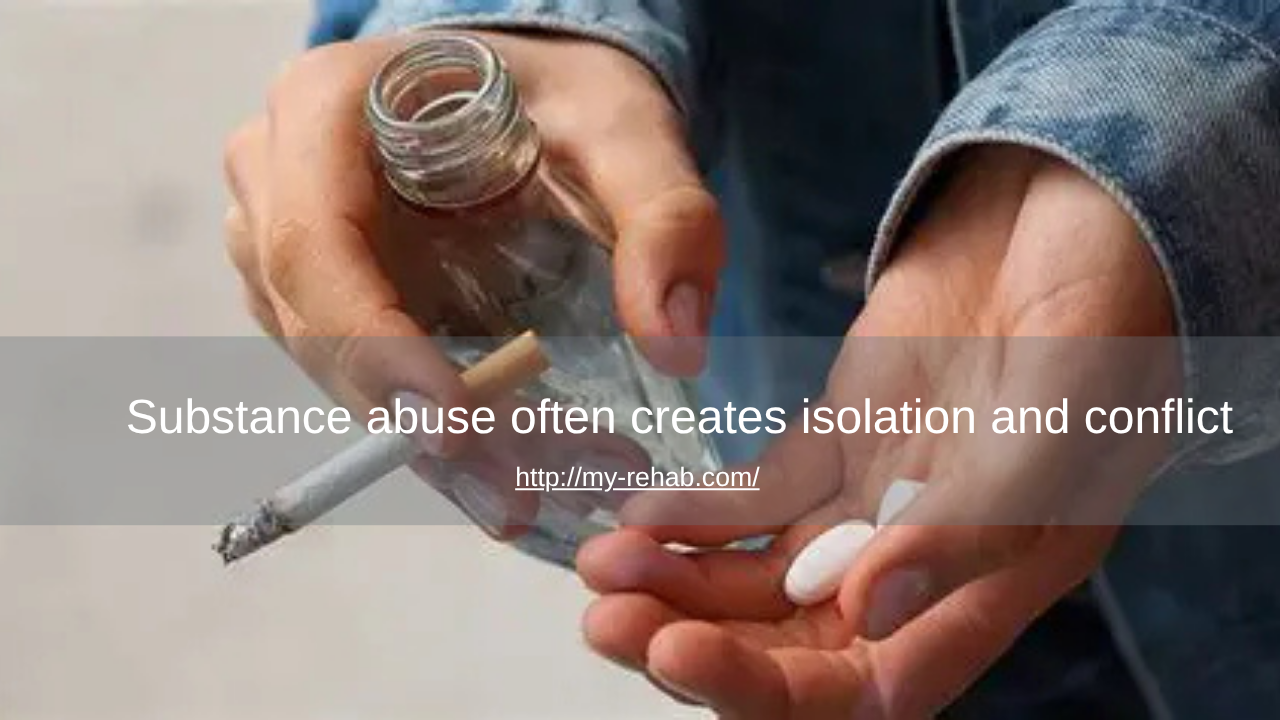
Substance abuse often creates isolation and conflict. You may notice frequent arguments, broken trust, or loss of interest in relationships. As dependency deepens, individuals may prioritize substance use over loved ones, leading to guilt and shame that further fuel the addiction cycle.

Why Early Recognition Matters

Identifying substance abuse early can significantly improve recovery outcomes. The sooner someone receives professional help, the easier it becomes to prevent severe health complications and rebuild emotional stability. Early intervention also helps protect careers, families, and personal goals that can be deeply affected by prolonged substance misuse.

At My-Rehab, we encourage families and individuals to act quickly when they notice the warning signs. Reaching out for professional evaluation does not mean judgment—it means taking a life-saving step toward healing.

How My-Rehab Helps Break the Cycle

Comprehensive Treatment Options

My-Rehab offers both inpatient and outpatient programs designed to meet each client’s unique needs. Inpatient care provides a structured environment for those requiring intensive support, while outpatient programs offer flexibility for individuals balancing recovery with daily responsibilities.

Addressing Mental Health and Root Causes

Addiction is often linked to underlying mental health challenges such as depression, trauma, or anxiety. Through evidence-based therapies and dual-diagnosis treatment, My-Rehab helps clients understand the emotional triggers that contribute to substance use and empowers them to build healthier coping mechanisms.

Holistic and Faith-Based Healing

Recovery is more than abstaining from drugs or alcohol—it is about restoring balance and purpose. Holistic treatments such as mindfulness, yoga, nutrition therapy, and spiritual counseling help clients reconnect with themselves on a deeper level. Faith-based programs also provide additional strength and hope for those who draw comfort from spirituality.

It’s Never Too Early—or Too Late—to Seek Help

Recognizing the signs of substance abuse is the first and most crucial step toward recovery. Whether the symptoms are just emerging or the addiction has taken hold, help is available. At My-Rehab, our compassionate, client-centered team provides the tools, guidance, and understanding needed to heal both the mind and body.

If you or someone you love is struggling with substance abuse, don’t wait for the situation to worsen. Reach out to My-Rehab today to learn more about treatment options that can transform pain into purpose and restore hope for a brighter, sober future.

Breaking the Cycle: How Modern Rehab Programs Transform Lives

Addiction can feel like an unending cycle, affecting not just physical health but emotional well-being, relationships, and every aspect of daily life. Yet recovery is possible. Modern rehab programs offer more than detox—they provide comprehensive support that addresses the mind, body, and spirit. At My-Rehab, our individualized approach helps clients break free from addiction, rebuild their lives, and regain hope for the future.

Understanding the Modern Approach to Rehab

Beyond Detox: Why Comprehensive Care Matters

Detoxification is often the first step in recovery, helping the body safely eliminate harmful substances. However, lasting change requires more than managing withdrawal symptoms. Modern rehab programs combine medical care, therapy, and holistic support to treat the underlying causes of addiction. This integrated approach addresses not only substance use but also mental health issues, trauma, and lifestyle factors that contribute to dependency.

Personalized Treatment Plans

Every individual’s journey with addiction is unique. Personalized rehab programs at My-Rehab are tailored to meet each person’s needs, combining inpatient or outpatient care, therapy options, and holistic support. By customizing treatment, we ensure that clients receive the right combination of interventions to support long-term recovery.

Key Components of Life-Changing Rehab Programs

Inpatient vs. Outpatient Care

  • Inpatient programs provide a structured, immersive environment with 24-hour medical supervision, group therapy, and skill-building workshops. This setting is ideal for individuals who require intensive support.
  • Outpatient programs allow clients to maintain family or work responsibilities while participating in therapy and counseling sessions. This flexibility makes it possible to recover without losing touch with daily life.

Both options include comprehensive support designed to help clients break the cycle of addiction.

Addressing Mental Health and Trauma

Addiction rarely occurs in isolation. Many individuals struggle with co-occurring mental health conditions such as anxiety, depression, or trauma. Modern rehab programs integrate dual diagnosis treatment, ensuring both substance use and mental health issues are treated concurrently. This holistic approach strengthens resilience and reduces the risk of relapse.

Holistic and Faith-Based Therapies

Recovery involves more than abstinence—it requires restoring balance and purpose. Holistic therapies such as mindfulness, yoga, nutrition counseling, and creative arts help clients rebuild physical and emotional strength. For those seeking spiritual support, faith-based programs provide guidance, community, and hope, creating a more comprehensive path to healing.

Practical Skills for Lasting Recovery

Coping Strategies and Life Skills

Rehab programs equip individuals with practical tools to navigate triggers, stress, and everyday challenges. Clients learn coping strategies, goal setting, and relapse prevention techniques that empower them to maintain sobriety and rebuild meaningful lives.

Family and Community Support

Support networks are essential in sustaining recovery. Family involvement, peer support groups, and community resources provide accountability, encouragement, and a sense of belonging, helping clients maintain progress long after leaving the rehab setting.

A New Chapter Begins

Breaking free from addiction is not just about stopping substance use—it is about creating a life of purpose, balance, and hope. Modern rehab programs, like those offered at My-Rehab, provide compassionate, individualized care that addresses every aspect of recovery.

If you or a loved one is struggling with addiction, the first step toward transformation starts today. Reach out to My-Rehab and discover a path to lasting recovery, renewed health, and a brighter future.

Hope After Hurt: Rebuilding Lives Affected by Opiate Addiction

Opiate addiction leaves a profound mark on individuals and their families. What often begins as relief for pain can turn into a dependency that affects physical health, emotional well-being, and personal relationships. Despite the challenges, recovery is possible, and hope can be restored. At My-Rehab, we specialize in helping individuals rebuild their lives through compassionate, personalized care that addresses both addiction and mental health.

Understanding the Impact of Opiate Addiction

Physical and Emotional Consequences

Opiate dependency alters brain chemistry, making the body reliant on the substance for normal function. This physical dependence is often accompanied by emotional challenges, including anxiety, depression, and feelings of hopelessness. Over time, addiction can disrupt careers, relationships, and daily routines, leaving individuals feeling trapped.

The Hidden Toll on Families

Families of individuals struggling with opiate addiction often experience stress, fear, and frustration. Relationships can suffer, trust may erode, and communication breaks down. Supporting a loved one through recovery requires patience, understanding, and guidance from professionals who understand the complexities of addiction.

Pathways to Rebuilding Lives

Inpatient and Outpatient Care

Recovery begins with a safe, structured environment.

  • Inpatient programs provide round-the-clock medical supervision, therapy, and peer support for those who need intensive care.
  • Outpatient programs allow individuals to receive treatment while maintaining responsibilities at home or work.

Both approaches at My-Rehab are tailored to each person’s unique needs, ensuring that treatment is both effective and sustainable.

Addressing Mental Health

Many individuals struggling with opiate addiction also face underlying mental health issues. Integrated treatment programs address both substance use and co-occurring conditions such as anxiety, depression, or trauma. This dual approach strengthens recovery outcomes and reduces the likelihood of relapse.

Holistic and Faith-Based Support

Healing extends beyond physical recovery. Holistic therapies—including mindfulness, yoga, nutrition counseling, and creative arts—help restore balance and resilience. For individuals who find strength in spirituality, faith-based support is incorporated into the treatment process, fostering hope, purpose, and emotional growth.

Practical Steps for Long-Term Recovery

Building Support Networks

Recovery is strengthened by connection. Peer groups, family involvement, and community support play a vital role in maintaining long-term sobriety. Regular counseling, support meetings, and recovery coaching provide accountability and encouragement.

Developing Coping Skills

Individuals learn strategies to manage triggers, stress, and cravings without relying on substances. Skill-building, goal setting, and personal growth activities help clients regain confidence and rebuild a sense of control over their lives.

Moving From Hurt to Hope

Opiate addiction may bring immense pain, but recovery offers the opportunity to rebuild and transform lives. At My-Rehab, we provide compassionate, evidence-based care that addresses the mind, body, and spirit. Every person’s journey is unique, and we are committed to walking alongside clients as they reclaim their health, relationships, and purpose.

If you or a loved one is affected by opiate addiction, the time to act is now. Reach out to My-Rehab today and take the first step toward hope, healing, and a renewed life.

Turning the Tide: Education, Prevention, and Treatment in the Fight Against Opiates

Opiate addiction is one of the most urgent public health challenges today. Millions of people have been affected by prescription painkillers and illicit opioids, leaving families and communities struggling to cope. At My-Rehab, we believe that the fight against opiates requires a multi-pronged approach. Through education, prevention, and comprehensive treatment, individuals can break free from dependency and rebuild meaningful lives.

Education: Knowledge as a First Line of Defense

Understanding the Risks

Many individuals begin using prescription painkillers under the guidance of a doctor, unaware of the potential for dependency. Education about the addictive nature of opioids is critical in preventing misuse. Schools, healthcare providers, and community programs can provide resources that explain the risks and warning signs of addiction.

Promoting Awareness in Families and Communities

Families play a vital role in prevention. Open conversations about the dangers of opioids, responsible medication use, and monitoring prescription access can prevent early misuse. Community awareness campaigns and public workshops also help reduce stigma and empower individuals to seek help without fear of judgment.

Prevention Strategies: Reducing Exposure and Risk

Responsible Prescribing Practices

Healthcare providers can minimize the risk of dependency by carefully evaluating the need for opioids and offering alternative pain management when possible. Limiting prescriptions to the shortest necessary duration and monitoring patient use are effective ways to reduce early exposure to addictive substances.

Supporting Mental Health

Underlying mental health conditions often contribute to the development of opioid dependence. By addressing anxiety, depression, and trauma early, individuals are less likely to turn to medication as a coping mechanism. Integrated mental health treatment is a key element of prevention and long-term wellness.

Treatment Approaches: Pathways to Recovery

Inpatient and Outpatient Programs

Recovery from opiate addiction requires structured, evidence-based treatment.

  • Inpatient care provides a safe, supportive environment with 24-hour supervision, medical detox, and intensive therapy.
  • Outpatient programs offer flexibility for individuals who need to balance treatment with work or family responsibilities.

Both types of programs at My-Rehab are personalized to meet the unique needs of each individual, ensuring the highest chance of long-term success.

Holistic and Faith-Based Support

Addiction affects the mind, body, and spirit. Holistic therapies such as mindfulness, nutrition counseling, art therapy, and fitness programs help restore balance and promote healing. Faith-based support offers spiritual guidance for those who draw strength from religion, fostering hope and resilience during recovery.

Dual Diagnosis Treatment

Many individuals struggling with opiate addiction also face co-occurring mental health challenges. Treating both addiction and mental health concurrently strengthens recovery outcomes and reduces the likelihood of relapse.

Building a Community of Support

Successful recovery is rarely achieved alone. Families, peers, and community organizations provide accountability, encouragement, and connection. Support networks, recovery groups, and community outreach programs all play a vital role in sustaining long-term sobriety.

Taking Action Against Opiate Addiction

The fight against opiates requires education, prevention, and effective treatment. By understanding the risks, reducing exposure, and offering compassionate, individualized care, communities can turn the tide on this epidemic.

At My-Rehab, we are committed to guiding individuals and families through every step of recovery. If you or a loved one is struggling with opioid dependence, reach out today. Together, we can break the cycle and build a healthier, hopeful future.

Doctor’s Orders, Devil’s Grip: The Dual Nature of Prescription Opioids

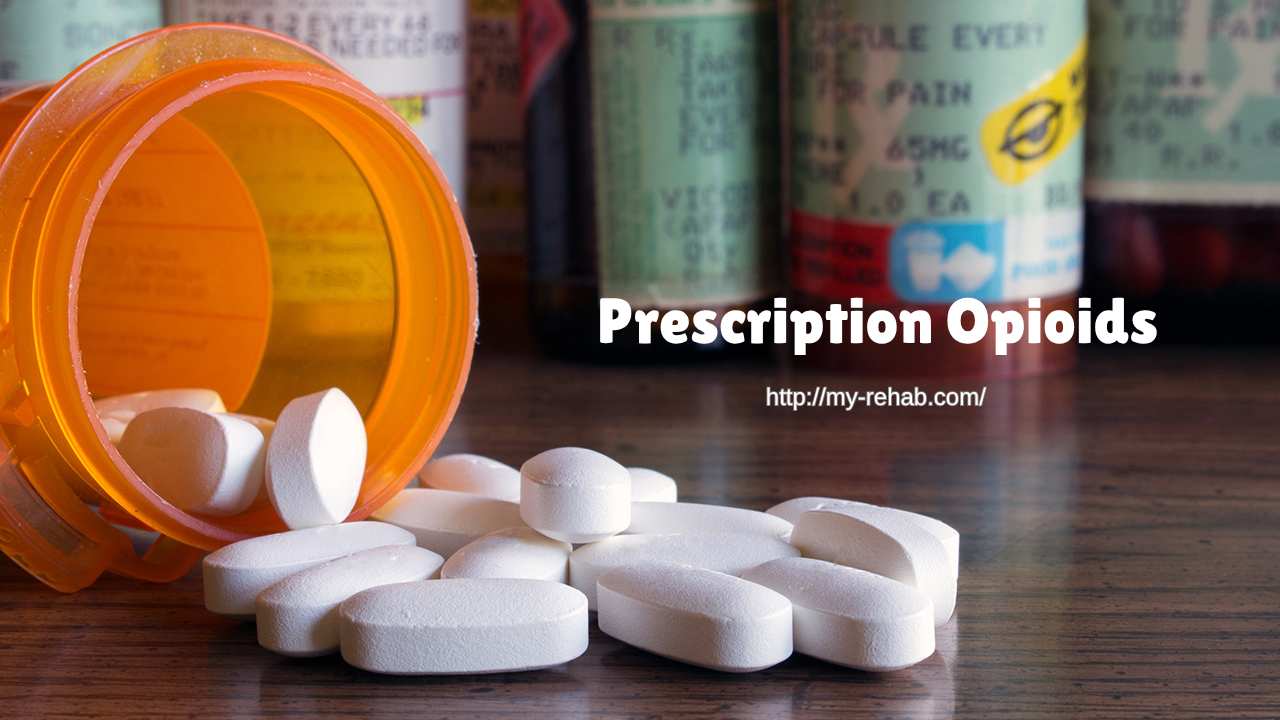
Prescription opioids have been hailed as a medical breakthrough for managing severe pain. From post-surgical recovery to chronic illness, these medications provide relief that can feel life-changing. Yet behind their healing power lies a darker truth. The same drugs prescribed for comfort and recovery can easily become addictive, gripping individuals in a cycle that is hard to escape. At My-Rehab, we understand this dual nature and provide compassionate, personalized care to help individuals reclaim their lives from opioid dependency.

The Double-Edged Sword of Opioids

Why They Are Prescribed

Opioids are effective because they bind to receptors in the brain and nervous system, reducing pain signals while releasing dopamine. For someone recovering from surgery or managing ongoing medical conditions, this relief can feel essential.

The Hidden Risks

While helpful in the short term, opioids alter brain chemistry. Over time, tolerance develops, meaning higher doses are needed for the same effect. This gradual shift can lead to dependence before a person even realizes they are at risk.

From Relief to Dependency

How Addiction Starts

Many people begin using opioids exactly as prescribed, following their doctor’s instructions carefully. However, as the body becomes reliant, cravings increase, and misuse can begin. What starts with taking a pill for pain may progress to taking more than prescribed or using the medication for emotional relief.

The Path Toward Illicit Drugs

When prescriptions run out, some individuals turn to illicit opioids like heroin or fentanyl. These substances are cheaper and often more accessible, but they are far more dangerous. This transition is one of the reasons the opioid crisis continues to devastate families and communities.

The Role of Mental Health

Emotional Triggers and Trauma

Opioid addiction does not exist in a vacuum. Mental health conditions such as depression, anxiety, or unresolved trauma often fuel dependency. The medication becomes more than pain relief; it becomes a coping mechanism for emotional distress.

Integrated Treatment

At My-Rehab, we offer dual diagnosis treatment, addressing both substance use and mental health together. Treating the whole person strengthens resilience and creates a foundation for lasting recovery.
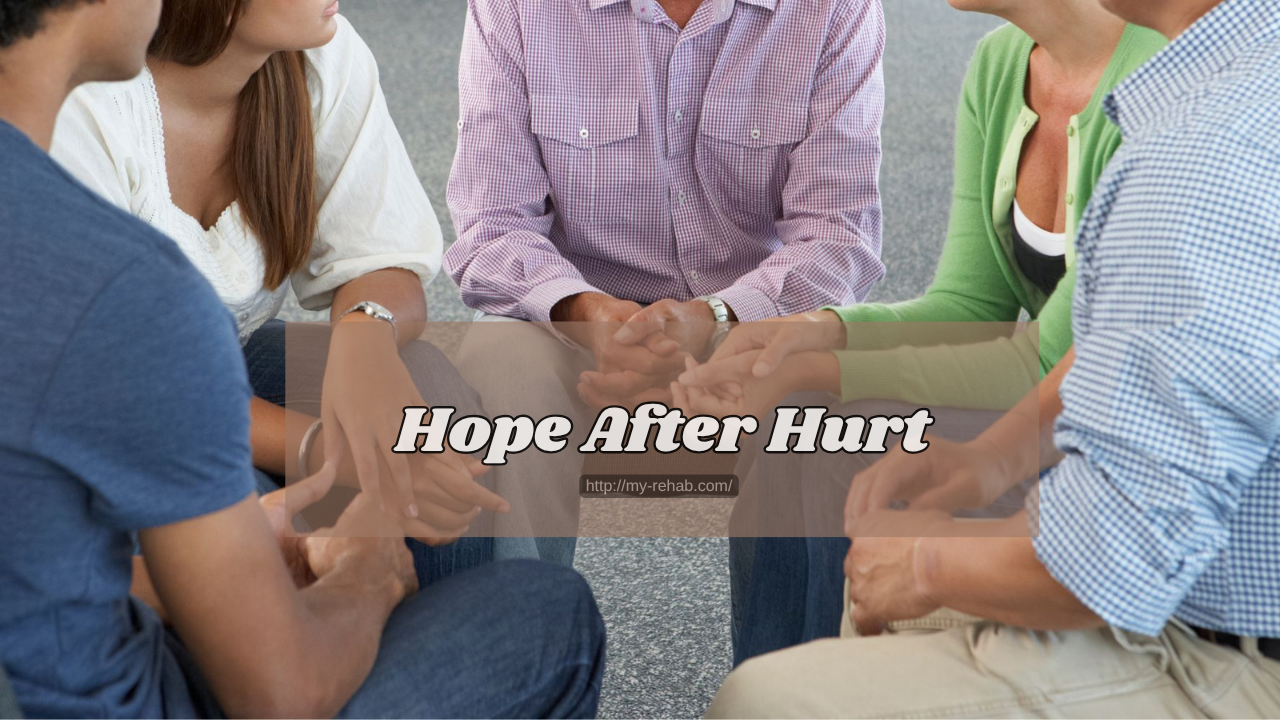
Proven Approaches to Recovery

Inpatient and Outpatient Programs

Breaking free from opioid addiction requires structure and support.

  • Inpatient care offers 24-hour guidance, medical monitoring, and therapy in a safe environment.
  • Outpatient care provides flexibility, allowing individuals to continue work or family responsibilities while receiving professional support.

Both approaches are tailored to the individual, ensuring that treatment meets personal needs and circumstances.

Holistic and Faith-Based Healing

Recovery is not only about stopping drug use. It is about creating balance in every part of life. Our holistic therapies include mindfulness, nutrition, fitness, and creative outlets that promote physical and emotional healing. For those who find strength in spirituality, faith-based support can be integrated into treatment, offering hope and renewal.

Building a Future Beyond Addiction

True recovery means more than simply managing cravings. It involves learning new coping skills, rebuilding relationships, and rediscovering purpose. At My-Rehab, we help individuals create a personalized plan that goes beyond short-term sobriety and focuses on long-term wellness.

Taking Back Control

Prescription opioids may begin as a doctor’s solution, but for many, they become a destructive force. Recognizing their dual nature is the first step in breaking free. At My-Rehab, we provide expert care, compassionate support, and proven strategies to help individuals and families overcome the grip of opioids.

If you or someone you love is struggling with opioid addiction, do not wait. Reach out today and begin the journey toward healing, hope, and freedom.

Breaking Free: Proven Paths to Overcoming Opiate Dependency

Opiate addiction is one of the most challenging battles an individual and their family can face. What often begins with prescribed pain relief can quickly turn into a dependency that impacts every part of life. The good news is that recovery is possible. With the right treatment, support, and commitment, countless people have broken free from opiate dependency and built fulfilling, sober lives. At My-Rehab, we provide compassionate, individualized care designed to guide each person toward lasting recovery.

Understanding Opiate Dependency

How It Develops

Opiates work by altering brain chemistry, binding to receptors that reduce pain and release dopamine. While this provides temporary relief, the brain can become reliant on these substances to function normally. Over time, tolerance builds, withdrawal symptoms appear, and the cycle of dependency takes hold.

Why It Is Hard to Break Alone

Attempting to stop opiates without professional support can be overwhelming. The withdrawal process is physically uncomfortable and emotionally draining. Without medical and therapeutic guidance, relapse is common. That is why structured recovery programs are essential.

Proven Paths to Recovery

Medically Supervised Detox

The first step toward overcoming dependency is often detox. Under medical supervision, individuals can safely withdraw from opiates while receiving care that eases discomfort and reduces risks. A supervised detox sets the stage for deeper healing.

Inpatient and Outpatient Programs

Recovery does not stop at detox. Long-term success requires ongoing treatment.

  • Inpatient programs provide 24-hour care in a structured environment, ideal for those who need intensive support.
  • Outpatient programs allow individuals to continue daily responsibilities while attending therapy sessions and receiving care.

Both approaches are available at My-Rehab, with treatment plans tailored to meet each person’s needs.

Addressing Mental Health and Trauma

Many people struggling with opiate addiction also face underlying mental health challenges such as depression, anxiety, or unresolved trauma. Through dual diagnosis treatment, My-Rehab helps individuals heal both their mental health and substance use issues simultaneously, strengthening their path to recovery.

Holistic and Faith-Based Approaches

Healing the Whole Person

Addiction is not just physical. It affects emotional well-being, spiritual life, and relationships. That is why we incorporate holistic therapies such as mindfulness, nutrition counseling, art, and exercise into our programs. These approaches build resilience and encourage balance in everyday life.

Finding Strength in Faith

For individuals who seek spiritual growth, faith-based programs offer additional support. By integrating spiritual guidance into recovery, many find renewed hope and a deeper sense of purpose as they move forward.

Building a Life Beyond Addiction

Recovery is more than stopping opiates. It is about creating a healthier, more meaningful life. At My-Rehab, individuals learn coping skills, rebuild relationships, and discover new ways to thrive without relying on substances. Ongoing support, community involvement, and aftercare programs help sustain long-term success.

Your Journey to Freedom Starts Today

Breaking free from opiate dependency is not easy, but it is possible with the right support. At My-Rehab, we are committed to walking with you every step of the way, offering compassionate care, proven therapies, and a personalized plan designed to meet your unique needs.

If you or a loved one is struggling with opiate addiction, now is the time to take action. Reach out to My-Rehab today and begin the journey toward freedom, healing, and hope.