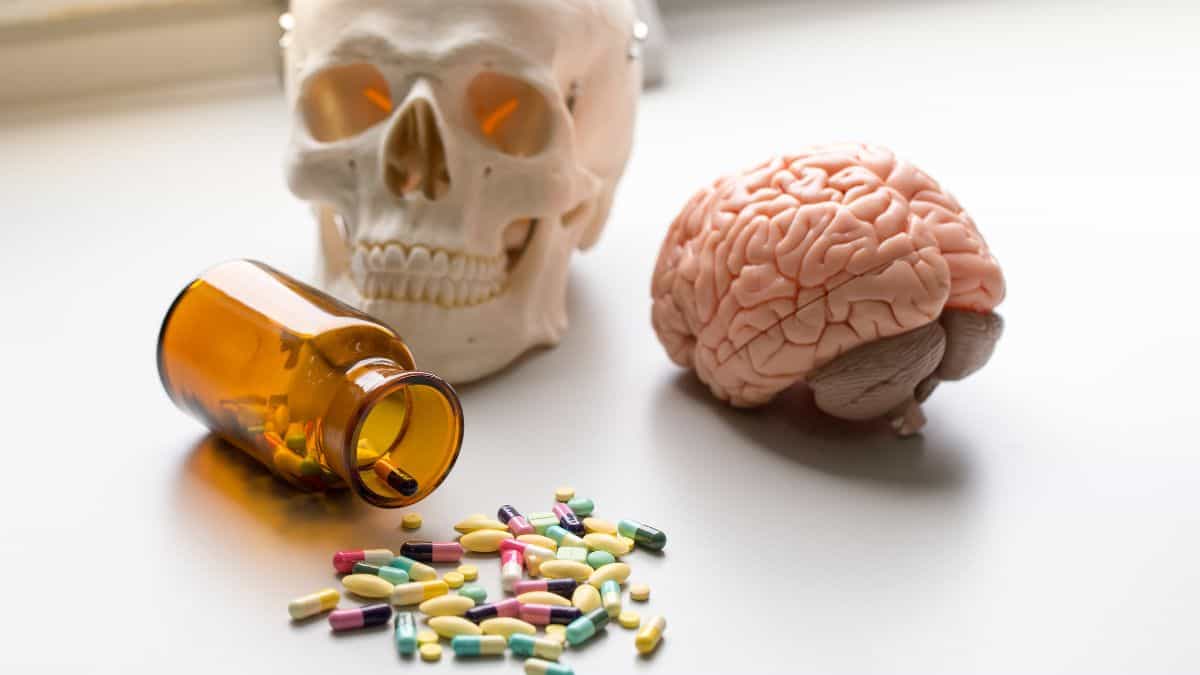
Addiction is more than a matter of willpower. It is a complex disease that alters the brain’s structure and function, affecting behavior, decision-making, and emotional regulation. Understanding the science behind addiction can help individuals, families, and communities approach recovery with compassion and informed strategies. At My-Rehab, we combine evidence-based treatment, mental health support, and holistic care to guide clients toward lasting recovery.
How Drugs Change the Brain
The Role of Neurotransmitters
Drugs interact with the brain by affecting neurotransmitters, the chemical messengers that regulate mood, motivation, and reward. Substances such as opioids, alcohol, and stimulants artificially increase dopamine levels, creating intense feelings of pleasure or euphoria. While these effects may feel rewarding in the short term, repeated exposure rewires the brain’s reward system, making natural sources of satisfaction less effective.
Brain Regions Involved in Addiction
Several key areas of the brain are impacted by substance use:
- The nucleus accumbens, which drives pleasure and reward-seeking behaviors
- The prefrontal cortex, responsible for decision-making and impulse control
- The amygdala, which governs stress responses and emotional memory
When these regions are altered, individuals may experience cravings, impaired judgment, and compulsive drug-seeking behaviors, even when they understand the negative consequences.
Behavioral Consequences of Addiction
Compulsive Use and Cravings
As brain pathways change, drug-seeking behavior becomes a priority over other activities. Cravings are often intense, triggered by environmental cues, stress, or emotional pain. This is why relapse is common and why professional support is critical during recovery.
Emotional and Cognitive Effects
Addiction affects mood, memory, and attention. Many individuals experience anxiety, depression, irritability, or difficulty concentrating. These cognitive and emotional challenges can exacerbate substance use, creating a cycle that is hard to break without targeted intervention.
Social and Lifestyle Impacts
Behavioral changes also affect relationships, work, and daily life. Addiction often leads to social isolation, financial problems, and legal challenges, further reinforcing stress and drug use. Addressing these social factors is an essential part of comprehensive recovery.
Evidence-Based Approaches to Recovery
Medical Detox and Inpatient Care
Recovery begins with safely managing withdrawal symptoms through medical detox when needed. Inpatient programs provide 24-hour supervision, therapy, and a structured environment to stabilize the brain and body.
Outpatient Programs and Therapy
Outpatient care allows individuals to continue responsibilities while receiving therapy, counseling, and support. Cognitive Behavioral Therapy, Motivational Interviewing, and trauma-informed care help clients understand triggers and develop healthy coping strategies.
Holistic and Faith-Based Support
Healing the brain and body also involves addressing emotional, spiritual, and lifestyle factors. Holistic approaches at My-Rehab include mindfulness, yoga, nutrition counseling, and creative therapies. For clients seeking spiritual guidance, faith-based programs offer additional hope and purpose.
Dual Diagnosis Treatment
Many individuals struggling with addiction also face co-occurring mental health conditions such as depression, anxiety, or PTSD. Treating both addiction and mental health simultaneously improves recovery outcomes and reduces relapse risk.
Recovery is Possible with the Right Support
Addiction is a disease that changes the brain, affects behavior, and challenges every aspect of life. Understanding its science helps break stigma and emphasizes the need for professional treatment. At My-Rehab, we provide compassionate, personalized care that addresses the physical, emotional, and spiritual dimensions of addiction.
If you or a loved one is struggling with substance use, the first step toward healing is reaching out. Contact My-Rehab today to learn how science-based treatment, holistic therapies, and individualized care can help rebuild lives and restore hope.