Addiction is often called a family disease because it doesn’t only affect the individual struggling with substance use—it impacts everyone around them. In the journey to recovery, the support of family and friends can play a critical role in healing, resilience, and long-term sobriety. Their involvement can mean the difference between relapse and sustained recovery.
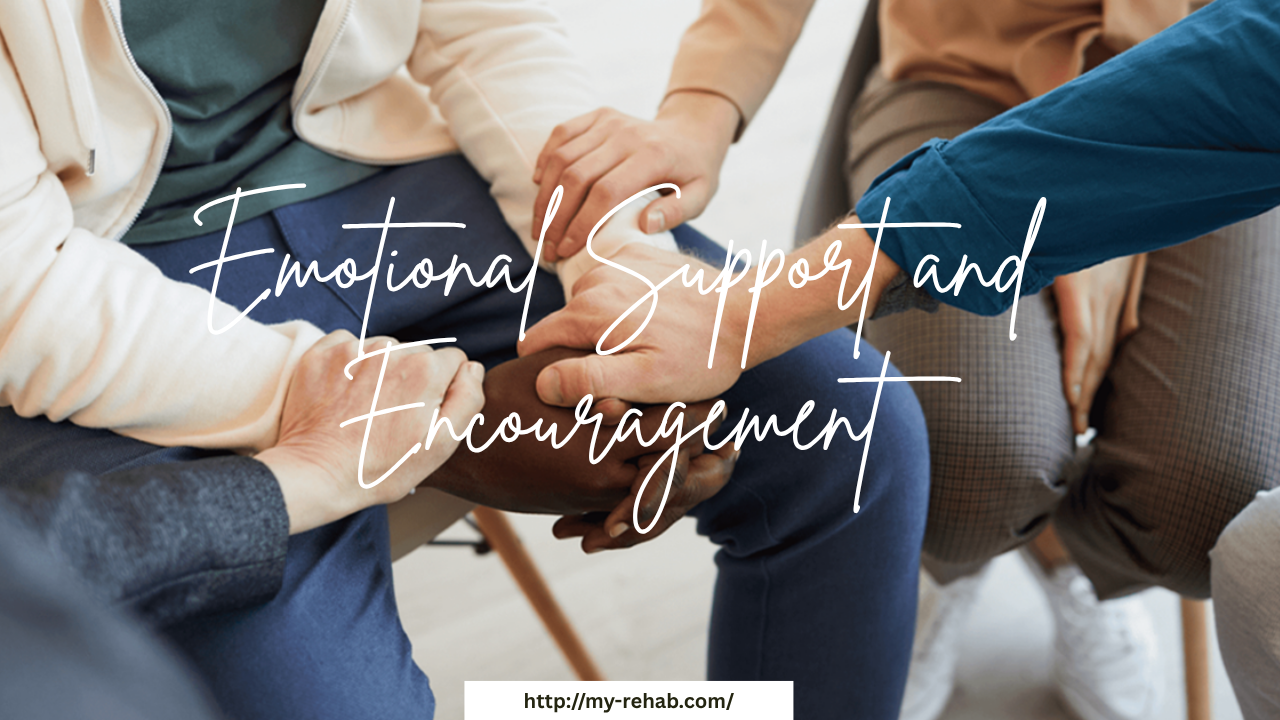
Emotional Support and Encouragement
One of the most important contributions family and friends can make is providing emotional support. Addiction often leads to feelings of shame, guilt, and isolation. Knowing that loved ones care and are willing to stand by them can be a powerful motivator for individuals in recovery.
Support can come in many forms, such as listening without judgment, celebrating small milestones, or simply being present during difficult times. Encouragement from trusted loved ones can help individuals build self-esteem and stay focused on their recovery goals.
Rebuilding Trust and Communication
Addiction often erodes trust and damages relationships. Rebuilding these bonds takes time, effort, and mutual commitment. Open, honest, and respectful communication is essential.
Family therapy or counseling can be an effective way to address underlying issues, improve communication, and rebuild trust. It provides a safe space to express feelings, resolve conflicts, and learn healthier ways to interact.
Educating Themselves About Addiction
Friends and family members who take the time to understand addiction as a chronic disease, rather than a moral failing, are better equipped to support their loved one. Learning about the causes, symptoms, and treatment options reduces stigma and promotes empathy.
There are many resources available, including books, support groups like Al-Anon or Nar-Anon, and educational programs at treatment centers. This knowledge can empower families to recognize warning signs, set boundaries, and offer meaningful support.
Setting Healthy Boundaries
While support is crucial, enabling behaviors—such as making excuses, covering up problems, or providing financial support for harmful habits—can hinder recovery. Setting clear, healthy boundaries helps protect both the individual and their loved ones.
Boundaries may include refusing to tolerate drug use in the home, not lending money, or requiring participation in treatment as a condition of support. These actions demonstrate love and accountability, which are essential for lasting change.
Participating in the Recovery Process
Active involvement in the recovery process can enhance outcomes. Attending therapy sessions, support group meetings, or educational workshops alongside the person in recovery shows commitment and fosters a sense of shared purpose.
Many treatment centers encourage family involvement through programs that teach communication skills, conflict resolution, and coping strategies. When families are engaged, individuals are more likely to feel supported and less likely to relapse.
Conclusion
The role of family and friends in addiction recovery is both vital and multifaceted. Through emotional support, education, boundary-setting, and active participation, loved ones can create a strong foundation for healing. Recovery is not a journey taken alone—it is one best traveled with the understanding, encouragement, and love of those who care most.