Category Archives: Uncategorized

From Painkillers to Dependence: The Rise of Opiate Addiction and How to Fight It

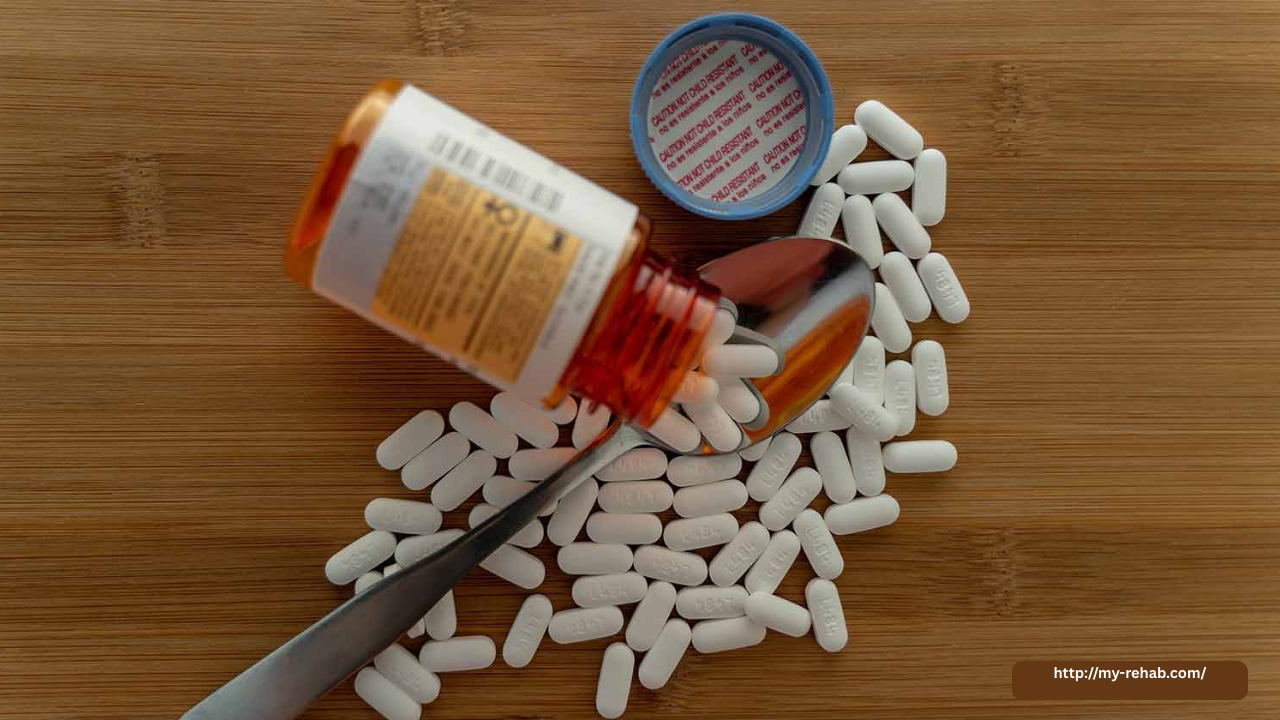
Opiate addiction has become a public health crisis, impacting millions of lives and straining healthcare systems across the globe. Originally intended to manage pain, opiate medications such as oxycodone, hydrocodone, and morphine have led to widespread misuse and addiction. Understanding how this epidemic began and what can be done to combat it is crucial for turning the tide.

The Roots of the Crisis

The rise of opiate addiction can be traced back to the late 1990s, when pharmaceutical companies assured healthcare providers that prescription opioids posed a low risk of addiction. As a result, doctors began prescribing these medications at increased rates. Patients seeking relief from chronic pain were unknowingly placed at risk for dependency.

Over time, as tolerance built up, many individuals required higher doses to achieve the same level of relief. Some turned to illicit opiates like heroin or fentanyl when prescriptions were no longer available. These synthetic drugs are often more potent and dangerous, increasing the risk of overdose and death.

How Opiates Affect the Brain

Opiates work by binding to opioid receptors in the brain and spinal cord, blocking pain signals and releasing large amounts of dopamine. This flood of dopamine creates intense feelings of pleasure, reinforcing continued use.

With repeated use, the brain’s natural ability to produce dopamine is diminished, leading to physical dependence. Individuals experience withdrawal symptoms—such as nausea, anxiety, muscle pain, and cravings—when they try to stop, making it difficult to quit without help.

Recognizing the Signs of Opiate Addiction

Common signs of opiate addiction include:

  • Increased tolerance and need for higher doses
  • Doctor shopping or forging prescriptions
  • Mood swings and erratic behavior
  • Social withdrawal and neglect of responsibilities
  • Financial or legal problems related to drug use

Combating the Epidemic

Fighting opiate addiction requires a comprehensive approach involving prevention, treatment, and community support.

1. Education and Prevention

Raising awareness about the dangers of opiate misuse is vital. Healthcare providers should educate patients on the risks and offer alternative pain management strategies such as physical therapy, acupuncture, or non-opioid medications.

2. Safe Prescribing Practices

Medical professionals must follow evidence-based guidelines to reduce unnecessary prescriptions and monitor patient use closely through prescription drug monitoring programs (PDMPs).

3. Access to Treatment

Effective treatment options include:

  • Medication-Assisted Treatment (MAT): Combines medications like methadone, buprenorphine, or naltrexone with counseling and behavioral therapy.
  • Inpatient and Outpatient Rehab Programs: Provide structured support and therapy tailored to the severity of addiction.
  • Support Groups: Organizations like Narcotics Anonymous (NA) offer peer support and accountability.

4. Harm Reduction Strategies

Initiatives such as needle exchange programs and the distribution of naloxone (an overdose-reversal medication) can save lives and reduce the spread of infectious diseases.

Conclusion

The opiate crisis has claimed countless lives and continues to challenge communities worldwide. From the overprescription of painkillers to the rise of illicit opioid use, the roots of addiction are deep and complex. However, with a united effort in education, safe prescribing, access to treatment, and harm reduction, it is possible to reverse the trend and offer hope to those affected. Recovery is attainable, and every step taken to address the crisis brings us closer to a healthier, addiction-free future.

Detox vs. Rehab: Understanding the Key Differences and Benefits

When seeking help for substance use disorders, many people encounter the terms “detox” and “rehab.” Though they are often used interchangeably, detox and rehab are two distinct stages of the recovery process, each serving a specific purpose. Understanding the differences and benefits of these approaches is crucial for choosing the right path to recovery.

What is Detox?

Detoxification, commonly known as detox, is the process of removing drugs or alcohol from the body. This is typically the first step in addiction treatment and addresses the physical dependency on substances.

Key Aspects of Detox:

  • Medical Supervision: Detox is often medically supervised to manage withdrawal symptoms, which can range from mild discomfort to life-threatening complications.
  • Short-Term Focus: Detox usually lasts from a few days to a week, depending on the substance used and the individual’s health condition.
  • Symptom Management: Medications may be administered to ease symptoms like nausea, anxiety, seizures, or cravings.
  • Stabilization: The goal is to stabilize the individual physically and prepare them for the next phase of treatment.

What is Rehab?

Rehabilitation, or rehab, refers to the therapeutic process aimed at treating the psychological and behavioral aspects of addiction. Rehab programs are typically longer in duration and involve structured therapy to address the root causes of substance abuse.

Key Aspects of Rehab:

  • Behavioral Therapy: Includes techniques like Cognitive Behavioral Therapy (CBT), group counseling, and family therapy.
  • Skill Building: Patients learn coping strategies, relapse prevention tools, and how to manage stress without substances.
  • Holistic Approaches: Some programs incorporate yoga, meditation, nutrition, and exercise to promote overall wellness.
  • Types of Programs: Rehab can be inpatient (residential) or outpatient, depending on the individual’s needs and level of addiction.

Major Differences Between Detox and Rehab

AspectDetoxRehab
PurposeRemoves substances from the bodyAddresses psychological and behavioral issues
DurationShort-term (days to a week)Long-term (weeks to months)
FocusPhysical stabilizationEmotional, mental, and behavioral healing
SettingOften in a medical facilityResidential or outpatient programs
OutcomePrepares for further treatmentSupports long-term recovery and relapse prevention

Benefits of Detox

  • Immediate relief from withdrawal symptoms
  • Safer transition away from substances under medical care
  • Reduces physical cravings
  • Provides a foundation for entering a rehab program

Benefits of Rehab

  • Helps uncover underlying causes of addiction
  • Equips individuals with tools for long-term sobriety
  • Provides peer support and therapeutic community
  • Encourages the development of healthy habits and routines

Why Both Are Often Necessary

Detox alone is not sufficient for long-term recovery. While it removes the substance from the body, it does not address the psychological, social, or behavioral factors that contribute to addiction. Without rehab, individuals are more likely to relapse.

Combining detox with a comprehensive rehab program offers the best chance for sustained recovery. Detox paves the way for meaningful therapeutic work, while rehab provides the skills and support necessary to maintain sobriety.

Conclusion

Detox and rehab serve different but equally important roles in the recovery journey. Detox addresses the immediate physical effects of substance withdrawal, while rehab focuses on long-term healing and behavioral change. Understanding these differences empowers individuals to make informed decisions and seek the help they need for a healthier, substance-free life.

How Addiction Affects the Brain: The Neuroscience of Dependency

Addiction is more than a behavioral issue—it is a chronic brain disease that fundamentally alters how the brain functions. The neuroscience of addiction reveals how substances hijack the brain’s reward systems, leading to compulsive use and dependency. Understanding these changes can help demystify addiction and support better treatment strategies.

The Brain’s Reward System

The human brain is designed to reward behaviors that are essential for survival, such as eating, socializing, and reproduction. When these actions are performed, the brain releases dopamine, a neurotransmitter associated with pleasure and motivation. This encourages repetition of those behaviors.

Addictive substances exploit this reward system. Drugs like opioids, cocaine, alcohol, and nicotine flood the brain with dopamine, producing intense feelings of euphoria. However, repeated exposure disrupts the natural balance of neurotransmitters, leading to profound changes in the brain’s chemistry and function.

Key Brain Areas Affected by Addiction

1. Prefrontal Cortex

This area is responsible for decision-making, impulse control, and judgment. In individuals with addiction, the prefrontal cortex becomes impaired, making it difficult to resist cravings and weigh long-term consequences.

2. Amygdala

The amygdala regulates emotions and stress. Addiction heightens the amygdala’s sensitivity, making individuals more susceptible to stress and emotional triggers that can lead to relapse.

3. Nucleus Accumbens

Part of the brain’s reward circuit, the nucleus accumbens plays a key role in reinforcing pleasurable behaviors. In addiction, this region becomes overactive, reinforcing substance use even when it leads to negative outcomes.

4. Hippocampus

This region stores memories associated with drug use, including people, places, and sensations. These cues can trigger cravings and make recovery more difficult.

Neuroadaptation and Tolerance

Over time, the brain adapts to the presence of addictive substances by reducing its natural dopamine production and the number of dopamine receptors. This phenomenon, known as neuroadaptation, leads to tolerance—requiring higher doses to achieve the same effect—and physical dependence, where stopping use causes withdrawal symptoms.

Cravings and Relapse

Even after prolonged abstinence, the brain retains memories and emotional associations with drug use. These “triggers” can activate strong cravings, leading to relapse. The longer a person uses a substance, the stronger these neural pathways become, reinforcing the cycle of addiction.

Healing the Brain in Recovery

While addiction causes long-term brain changes, recovery is possible. Neuroplasticity—the brain’s ability to reorganize and form new connections—allows individuals to recover cognitive functions and emotional regulation with time and support.

Therapeutic interventions like Cognitive Behavioral Therapy (CBT), mindfulness practices, medication-assisted treatment (MAT), and healthy lifestyle changes can help restore brain health. With sustained abstinence, some brain functions may return to normal, although full recovery varies from person to person.

Conclusion

Addiction profoundly impacts the brain, altering its structure and function in ways that drive compulsive behavior. Understanding the neuroscience of dependency emphasizes that addiction is not a choice but a disease that requires compassionate, evidence-based treatment. With the right support, individuals can heal and regain control of their lives, proving that recovery is both possible and sustainable.

The Road to Recovery: A Comprehensive Guide to Rehab Programs

Recovering from substance abuse is a challenging yet transformative journey that requires dedication, support, and the right treatment approach. Rehab programs offer structured environments where individuals can work toward sobriety and long-term wellness. Understanding the various types of rehab programs can help those struggling with addiction choose the best path to recovery.

Understanding Rehab Programs

Rehabilitation programs provide medical and psychological support to individuals recovering from substance use disorders. These programs aim to address the root causes of addiction, teach coping strategies, and help individuals reintegrate into society with a healthier lifestyle.

Types of Rehab Programs

Rehab programs come in different formats, each designed to meet varying needs. The most common types include:

1. Inpatient Rehabilitation

  • Structure and Supervision: Inpatient or residential rehab programs require individuals to stay at a facility for an extended period, usually between 30 to 90 days.
  • Intensive Treatment: Patients receive round-the-clock medical care, therapy, and support in a controlled environment, reducing the risk of relapse.
  • Best for: Individuals with severe addiction or those requiring a stable, drug-free environment.

2. Outpatient Rehabilitation

  • Flexible Treatment: Outpatient programs allow individuals to receive treatment while continuing daily responsibilities such as work or school.
  • Therapy Sessions: Patients attend scheduled therapy, counseling, and support group meetings at a rehab center.
  • Best for: Those with mild to moderate addiction who have a strong support system at home.

3. Detox Programs

  • Initial Step in Recovery: Detoxification helps individuals safely eliminate substances from their bodies under medical supervision.
  • Managing Withdrawal: Medications may be provided to reduce withdrawal symptoms and cravings.
  • Best for: Those in the early stages of recovery needing medical assistance to manage withdrawal symptoms.

4. Medication-Assisted Treatment (MAT)

  • Combining Medication and Therapy: MAT uses FDA-approved medications such as methadone, buprenorphine, or naltrexone alongside therapy.
  • Reducing Cravings: These medications help manage withdrawal symptoms and prevent relapse.
  • Best for: Individuals recovering from opioid or alcohol addiction who benefit from medical support.

The Role of Therapy in Rehab

Therapy is a cornerstone of successful rehab programs. Various therapeutic approaches include:

  • Cognitive Behavioral Therapy (CBT): Helps individuals identify and change negative thought patterns leading to substance use.
  • Motivational Interviewing (MI): Encourages self-motivation to embrace positive changes.
  • Group Therapy: Provides peer support, encouragement, and shared experiences in recovery.
  • Family Therapy: Involves family members in the recovery process to rebuild relationships and create a supportive home environment.

Support Systems for Long-Term Recovery

Recovery does not end after completing a rehab program. Continued support is crucial in maintaining sobriety. Key resources include:

  • Support Groups: Organizations like Alcoholics Anonymous (AA) and Narcotics Anonymous (NA) provide ongoing peer support.
  • Sober Living Homes: Transitional housing for individuals reintegrating into society in a drug-free environment.
  • Counseling and Aftercare: Continued therapy and check-ins with medical professionals help prevent relapse.

Conclusion

The road to recovery is unique for every individual, but the right rehab program can make a significant difference. Whether through inpatient care, outpatient support, detoxification, or therapy, seeking help is the first and most important step toward lasting recovery. With the right treatment, ongoing support, and a commitment to change, individuals can reclaim their lives and build a future free from addiction.


Substance Abuse 101: Recognizing the Signs and Seeking Help

Substance abuse is a widespread issue affecting individuals, families, and communities. It involves the harmful or hazardous use of substances such as alcohol, prescription medications, and illicit drugs. Recognizing the signs of substance abuse early can be critical in preventing addiction and seeking timely help.

Recognizing the Signs of Substance Abuse

Substance abuse can manifest in various ways, and recognizing the warning signs is the first step in addressing the issue. These signs can be categorized into physical, behavioral, and psychological indicators.

1. Physical Signs

  • Sudden weight loss or gain
  • Bloodshot eyes or dilated pupils
  • Frequent nosebleeds (possible sign of snorted drugs like cocaine)
  • Poor coordination and motor skills
  • Unusual body odors or neglect of personal hygiene

2. Behavioral Signs

  • Changes in social circles, preferring friends who also use substances
  • Unexplained financial problems or stealing money
  • Decreased performance at work or school
  • Engaging in risky behaviors such as driving under the influence
  • Loss of interest in hobbies or previously enjoyed activities

3. Psychological Signs

  • Mood swings, irritability, or aggression
  • Increased anxiety or paranoia
  • Lack of motivation and depressive symptoms
  • Hallucinations or delusions (in severe cases)
  • Cognitive impairments, including memory loss or confusion

Seeking Help for Substance Abuse

Acknowledging substance abuse is a critical step towards recovery. Seeking help as early as possible can improve the chances of successful treatment and long-term sobriety.

1. Self-Assessment

Individuals struggling with substance use should reflect on their behavior, recognizing patterns of excessive use, dependency, or negative consequences on their lives.

2. Reaching Out to Loved Ones

Family and friends play a crucial role in providing emotional support. Discussing concerns with trusted individuals can help reduce feelings of isolation and shame.

3. Professional Treatment Options

There are various treatment options available for individuals struggling with substance abuse, including:

  • Detox Programs: Supervised detoxification helps eliminate substances from the body safely.
  • Rehabilitation Centers: Inpatient and outpatient programs provide structured support and therapy.
  • Behavioral Therapy: Cognitive Behavioral Therapy (CBT) and Motivational Interviewing (MI) help address underlying causes of substance abuse.
  • Medication-Assisted Treatment (MAT): Medications like methadone, buprenorphine, and naltrexone can help reduce cravings and withdrawal symptoms.

4. Support Groups

Support groups such as Alcoholics Anonymous (AA) and Narcotics Anonymous (NA) offer peer encouragement and accountability. These groups provide a non-judgmental environment for individuals to share experiences and gain guidance from others in recovery.

Conclusion

Recognizing the signs of substance abuse and seeking help early can prevent addiction and promote recovery. Substance abuse is a treatable condition, and with the right support system, individuals can regain control of their lives. Education, awareness, and compassionate intervention are essential in addressing this pervasive issue. Encouraging open conversations and reducing stigma can empower those struggling to seek the help they need.

Breaking the Chains: Understanding the Science Behind Addiction and Recovery

The Path to Recovery

Recovery from addiction is a lifelong process that involves physical, psychological, and behavioral changes. While overcoming addiction is challenging, it is possible with the right treatment and support system.

1. Detoxification

The first step in recovery is detoxification, which allows the body to eliminate the substance. Medical supervision is often necessary, especially for substances like alcohol and opioids, which can cause severe withdrawal symptoms.

2. Therapy and Counseling

Behavioral therapies, such as Cognitive Behavioral Therapy (CBT) and Motivational Interviewing (MI), help individuals address the underlying causes of addiction, develop coping strategies, and prevent relapse.

3. Medication-Assisted Treatment (MAT)

For individuals struggling with opioid or alcohol addiction, medications like methadone, buprenorphine, and naltrexone can help reduce cravings and withdrawal symptoms, improving the chances of recovery.

4. Support Networks

Support groups like Alcoholics Anonymous (AA) and Narcotics Anonymous (NA) provide a sense of community and accountability, which are crucial for long-term sobriety.

Conclusion

Addiction is a disease that affects the brain’s structure and function, making it difficult for individuals to stop using substances without professional help. However, with science-backed treatments, therapy, and strong support systems, individuals can break free from addiction and reclaim their lives. Education, awareness, and compassion are essential in the fight against addiction, helping to reduce stigma and provide hope for those struggling with substance abuse.

Types of Rehab Programs: Choosing the Right Path to Healing

Addiction recovery is a deeply personal journey, and the path to healing often depends on choosing the right rehabilitation (rehab) program. With a variety of options available, it is essential to understand the different types of rehab programs and their unique approaches. Each program is tailored to meet specific needs, offering a combination of medical care, therapy, and support to help individuals overcome addiction and regain control of their lives.

Inpatient Rehabilitation

Inpatient rehab, also known as residential rehab, is a highly structured program where individuals live at the treatment facility for the duration of their recovery process. These programs typically last from 30 to 90 days or longer, depending on the severity of the addiction and the individual’s progress.

Key Features:

  • 24/7 medical supervision and support.
  • A safe and controlled environment free from external triggers.
  • Intensive therapy sessions, including individual and group counseling.

Ideal For:

  • Individuals with severe addictions.
  • Those who have tried outpatient programs without success.
  • People needing a complete break from their everyday environment to focus entirely on recovery.

Outpatient Rehabilitation

Outpatient rehab allows individuals to receive treatment while continuing to live at home and maintain their daily responsibilities, such as work, school, or family obligations. These programs vary in intensity, ranging from a few hours per week to daily sessions.

Key Features:

  • Flexibility to balance treatment with personal and professional life.
  • Access to therapy and counseling services.
  • Opportunities to practice coping strategies in real-life settings.

Ideal For:

  • Individuals with mild to moderate addictions.
  • Those with a strong support system at home.
  • People transitioning from inpatient rehab.

Partial Hospitalization Programs (PHP)

Partial Hospitalization Programs (PHP) are a step between inpatient and outpatient care. Participants spend several hours each day at the treatment facility but return home in the evenings. PHPs provide comprehensive care without requiring overnight stays.

Key Features:

  • Structured daily schedules with medical care and therapy.
  • Close monitoring of progress and well-being.
  • Access to resources like medication-assisted treatment (MAT).

Ideal For:

  • Individuals who need more support than outpatient programs offer but do not require 24/7 supervision.
  • Those in the early stages of recovery who are not yet ready for full independence.

Intensive Outpatient Programs (IOP)

Intensive Outpatient Programs (IOP) are designed for individuals who need a higher level of care than standard outpatient programs but less than PHPs. Participants attend therapy sessions multiple times a week, often in the evenings.

Key Features:

  • Focused and intensive therapy.
  • Flexible scheduling to accommodate work or school.
  • Group and individual counseling sessions.

Ideal For:

  • People with moderate addictions.
  • Those transitioning from inpatient rehab or PHP.
  • Individuals motivated to recover while maintaining daily responsibilities.

Specialized Rehab Programs

Some rehab programs cater to specific populations or needs, such as:

  • Gender-Specific Programs: Tailored to address unique challenges faced by men or women.
  • Teen and Adolescent Programs: Designed for younger individuals with age-appropriate therapy.
  • Dual Diagnosis Programs: Focused on individuals with co-occurring mental health and substance use disorders.

Choosing the Right Program

Selecting the right rehab program involves evaluating the individual’s specific needs, the severity of their addiction, and their personal circumstances. Consulting with a medical professional or addiction specialist can provide valuable guidance. Factors like location, cost, and the availability of aftercare services also play a significant role in the decision-making process.

Conclusion

Rehab programs offer diverse pathways to recovery, ensuring that individuals find the right fit for their journey to healing. Whether it’s the structured environment of inpatient rehab, the flexibility of outpatient care, or specialized programs for unique needs, the goal remains the same: to empower individuals to overcome addiction and build a fulfilling, substance-free life. Understanding the options is the first step toward making a choice that leads to lasting recovery.

The Journey to Recovery: Understanding the Role of Rehab in Addiction Treatment

Addiction is a complex condition that affects millions of people worldwide. It is often described as a chronic disease that not only impacts the individual but also their families, friends, and communities. Recovery from addiction is not a linear process but rather a journey that requires time, commitment, and professional support. One of the most critical components of this journey is rehabilitation (rehab), which serves as a cornerstone in the treatment and recovery process.

Understanding Rehab: A Safe Haven for Recovery

Rehab programs are designed to help individuals overcome their addiction by addressing the physical, psychological, and emotional aspects of the condition. These programs provide a structured and supportive environment where individuals can focus entirely on their recovery without the distractions and triggers of everyday life. There are various types of rehab facilities, including inpatient (residential) and outpatient programs, each tailored to meet the unique needs of the individual.

Inpatient rehab involves living at a facility for a designated period, typically ranging from 30 to 90 days or more. This type of program is ideal for individuals with severe addictions or those who need a highly controlled environment to prevent relapse. Outpatient rehab, on the other hand, allows individuals to receive treatment while maintaining their daily responsibilities, such as work or family obligations. This option is often suitable for those with milder addictions or a strong support system at home.

The Key Components of Effective Rehab Programs

  1. Detoxification (Detox): Detox is usually the first step in the rehab process. It involves the removal of harmful substances from the body, often under medical supervision to manage withdrawal symptoms. Detox is critical for preparing the body and mind for the next phases of treatment.
  2. Therapy and Counseling: Rehab programs emphasize therapy as a way to uncover the root causes of addiction and develop coping mechanisms. Common approaches include cognitive-behavioral therapy (CBT), individual counseling, group therapy, and family therapy. These sessions help individuals identify triggers, replace harmful behaviors, and build a strong support network.
  3. Education and Skill-Building: Education plays a vital role in helping individuals understand their addiction and the tools they need for long-term recovery. Rehab programs often include workshops and classes on stress management, communication skills, and relapse prevention.
  4. Holistic Approaches: Many rehab centers incorporate holistic practices such as yoga, meditation, art therapy, and exercise to promote overall well-being. These activities can help individuals reconnect with themselves and find healthy outlets for stress and emotions.

The Long-Term Benefits of Rehab

Rehab is not just about quitting drugs or alcohol; it’s about building a fulfilling and substance-free life. One of the most significant benefits of rehab is the opportunity to create a personalized recovery plan. This plan often includes aftercare services such as ongoing therapy, support groups, and sober living arrangements to ensure a smooth transition back into society.

Additionally, rehab helps individuals rebuild relationships and regain a sense of purpose. Many people find new passions and hobbies during their time in treatment, which can serve as a foundation for their new life.

Conclusion

The journey to recovery is challenging but entirely possible with the right support and resources. Rehab plays an essential role in this process, offering individuals a chance to heal, grow, and reclaim their lives. By addressing the root causes of addiction and equipping individuals with the tools they need for long-term success, rehab serves as a beacon of hope for those seeking freedom from addiction.

Tell tale Signs of a Progression from substance abuse to Addiction

Differentiating between abuse and addiction is vital in recognizing the severity of substance use and seeking appropriate help.

While substance abuse involves misuse or excessive use, addiction highlights a complex physical and psychological dependence.

Free Person Smoking Cigarette Stock Photo

Here are some signs to help you tell when abuse has progressed into addiction.

Compulsive Drug Craving and Use

An irresistible desire to use drugs is a prominent sign of addiction, even when it causes negative consequences. The individual may feel overpowered to use drugs regularly and find it difficult to control or stop.

Loss of Control

As addiction forms, individuals find limiting or regulating their drug intake increasingly challenging. Despite spotting the negative impact on various aspects of their lives, they may have unsuccessful attempts at cutting down or quitting.

Withdrawal Symptoms

When drug use is abruptly stopped or reduced, individuals with addiction often experience withdrawal symptoms. These symptoms can vary depending on the substance used, including fatigue, irritability, nausea, anxiety,  insomnia, and intense cravings.

Tolerance Development

Addiction is characterized by needing larger doses of substances to achieve the desired effects. Over time, the body adjusts to its presence, leading to tolerance. This can be a sign that abuse has morphed into addiction.

Neglecting Responsibilities and Interests:

As addiction takes hold, individuals may prioritize substance abuse over essential responsibilities like work, family, or social commitments. They may become uninterested in activities they once enjoyed.

Continued Use Despite Consequences

Despite experiencing adverse consequences such as relationship, financial, health, and legal issues, individuals with addiction persist in their substance use. It becomes their primary focus, even at the expense of their lives.

Physical and Psychological Changes:

Addiction often causes physical and psychological changes. These can include changes in appearance, mood swings, weight loss or gain, increased secrecy or isolation, deteriorating mental health, and declining cognitive abilities.

Identifying the signs that abuse has progressed into addiction is essential for timely intervention and seeking appropriate help. If you know someone showing these signs, assist them in contacting healthcare professionals, addiction specialists, or support groups to explore treatment options.

Remember, addiction is a complex condition, but recovery is possible with the right support and treatment.

Counseling for addiction prevention

One of the best ways to treat addiction is to prevent it from happening in the first place. This means that when addiction is prevented, the chances of it happening is zero.

When it comes to preventing addiction, one of the persons playing a pivotal role is the counselor.

The counselor is a trained professional that helps people with a wide range of problems like addiction, mental health issues, etc.

Here are some of the roles a counselor plays in preventing addiction

Free Man in Black Sweater Sitting on Brown Wooden Chair Stock Photo

To educate on how addiction develops

When people get addicted, it is often because they have no idea how addiction works. With the help of a counselor, you will understand how addiction develops so that you can prevent it from happening. Education also informs you about the adverse effects of addiction.

Many people are unaware that addiction can affect different aspects of their health, which becomes more difficult for them to be healthy in the long run.

To teach healthy life habits

One of the profound means of preventing addiction is by integrating healthy life habits. Some of them include exercising regularly, eating a nutritious diet, sleeping for a good number of hours, taking sufficient water, etc.

With a healthy lifestyle, it would be almost impossible for the individual to get addicted.

To teach coping skills

The essence of learning coping skills is to arm yourself with strategies on how to keep cravings and triggers at bay.

When you are faced with temptations that can lure you into addiction. However, with profound coping skills, it will be easy to evade addiction no matter how inviting it might look.

If you know anyone struggling with addiction, you can assist them in finding help. Usually, the first line of action is the counselor who would help the addict to understand why they are addicted so that they can get help.