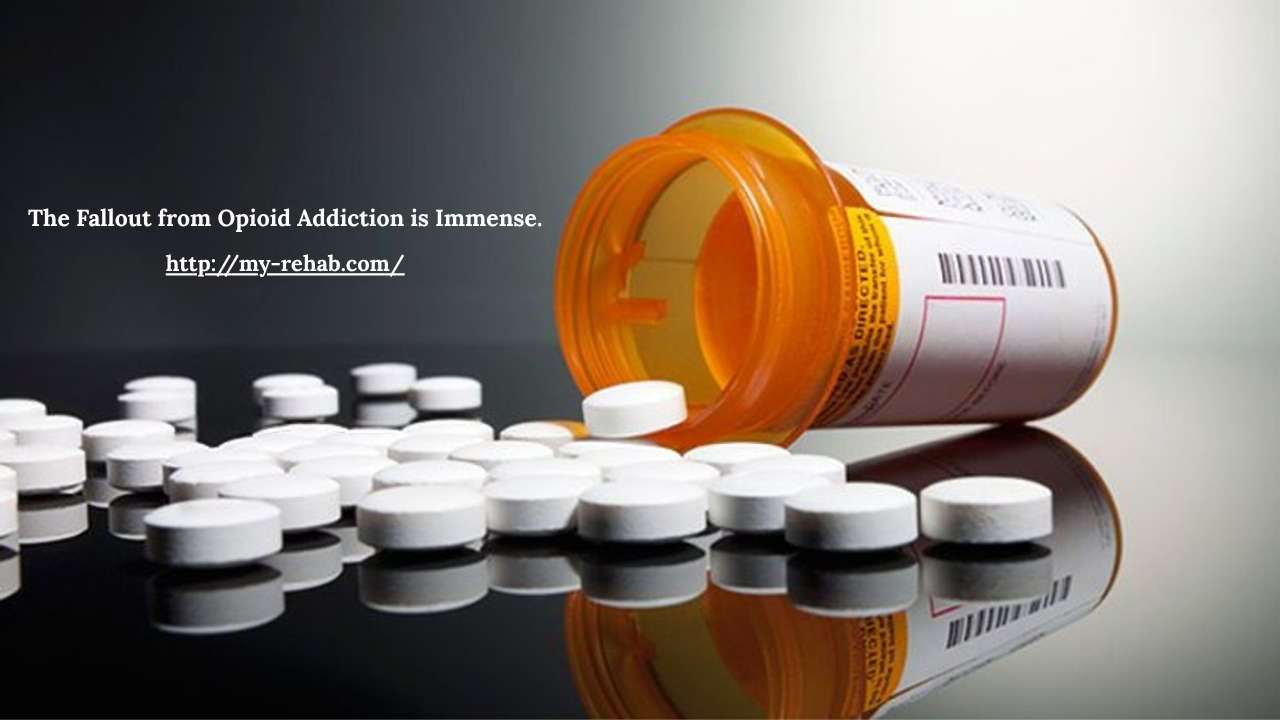
Prescription painkillers have long been a trusted solution for managing severe pain after surgery, injury, or chronic illness. While they often provide necessary relief in the short term, these medications carry a hidden danger. The very drugs designed to help can become a powerful gateway to dependency, creating a cycle that devastates lives and families. At My-Rehab, we believe in shedding light on this issue and offering compassionate, individualized paths to recovery.
The Gateway Effect Explained
How It Begins
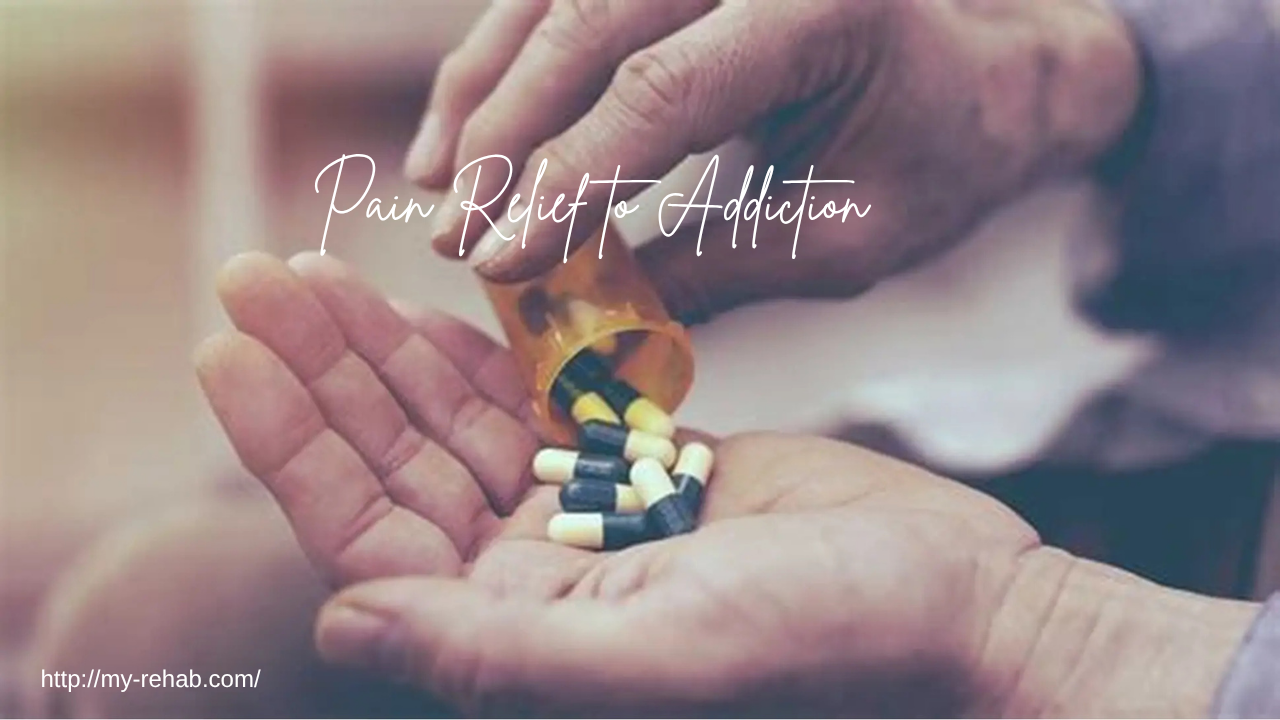
The gateway effect refers to the transition from using prescription painkillers as directed to developing a dependency that may lead to illicit drug use. Painkillers interact with the brain’s reward system, releasing dopamine and creating feelings of euphoria. Over time, tolerance builds, and individuals require higher doses to feel the same relief. What starts as a medical necessity can quickly spiral into an unmanageable habit.
Why Painkillers Pose Unique Risks
Unlike recreational drugs that are immediately recognized as dangerous, painkillers carry a sense of legitimacy. They are prescribed by doctors and filled at pharmacies, which creates a false perception of safety. This perception delays recognition of the problem, allowing dependence to deepen before it is addressed.
From Prescription to Addiction
Escalating Use
As tolerance grows, some patients may run out of their prescriptions early or begin misusing their medication. This can involve taking higher doses than prescribed, mixing with alcohol, or seeking additional prescriptions from multiple providers.
Transition to Illicit Substances
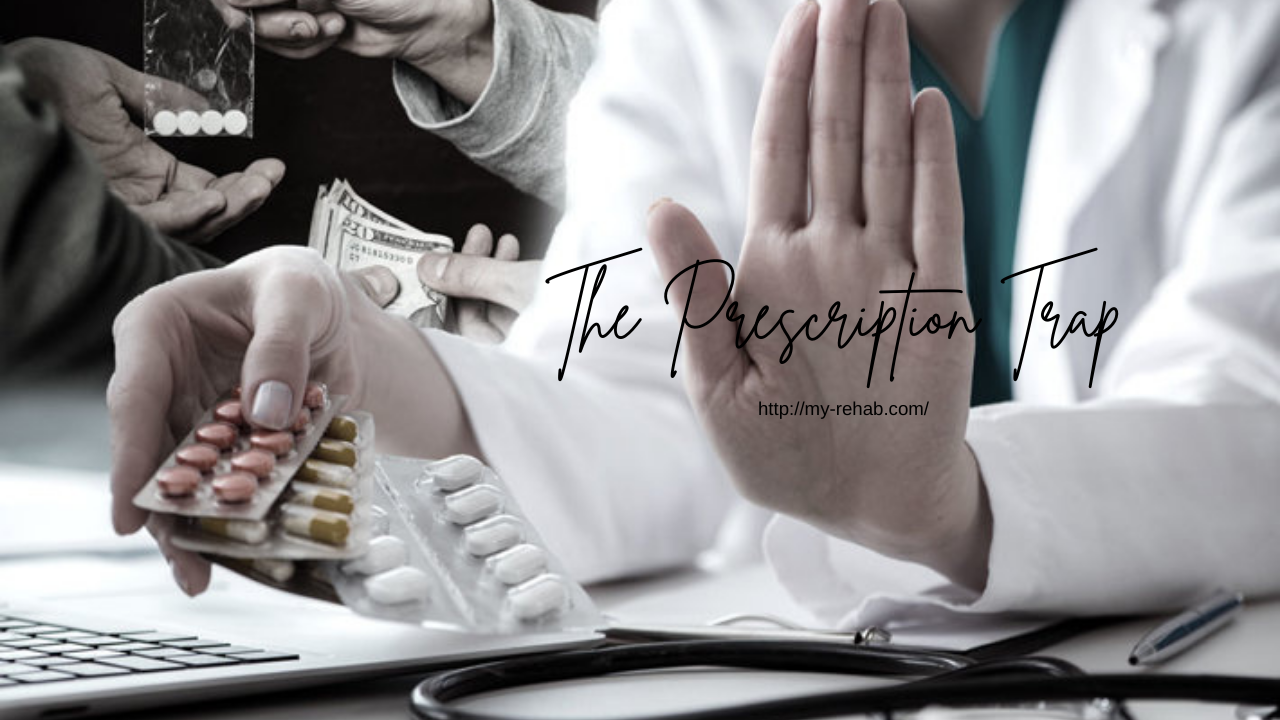
When prescriptions are no longer available, many individuals turn to illicit opioids such as heroin or fentanyl. These substances are often more accessible and less expensive, but far more dangerous. This transition is one of the leading drivers of the opioid epidemic and contributes significantly to overdose deaths.
The Role of Mental Health in the Cycle
Emotional Vulnerabilities
Underlying mental health conditions such as depression, trauma, or anxiety often intensify the cycle of dependency. Painkillers can temporarily mask emotional pain, making them appealing beyond physical relief. This dual reliance deepens the risk of long-term addiction.
Treating the Whole Person
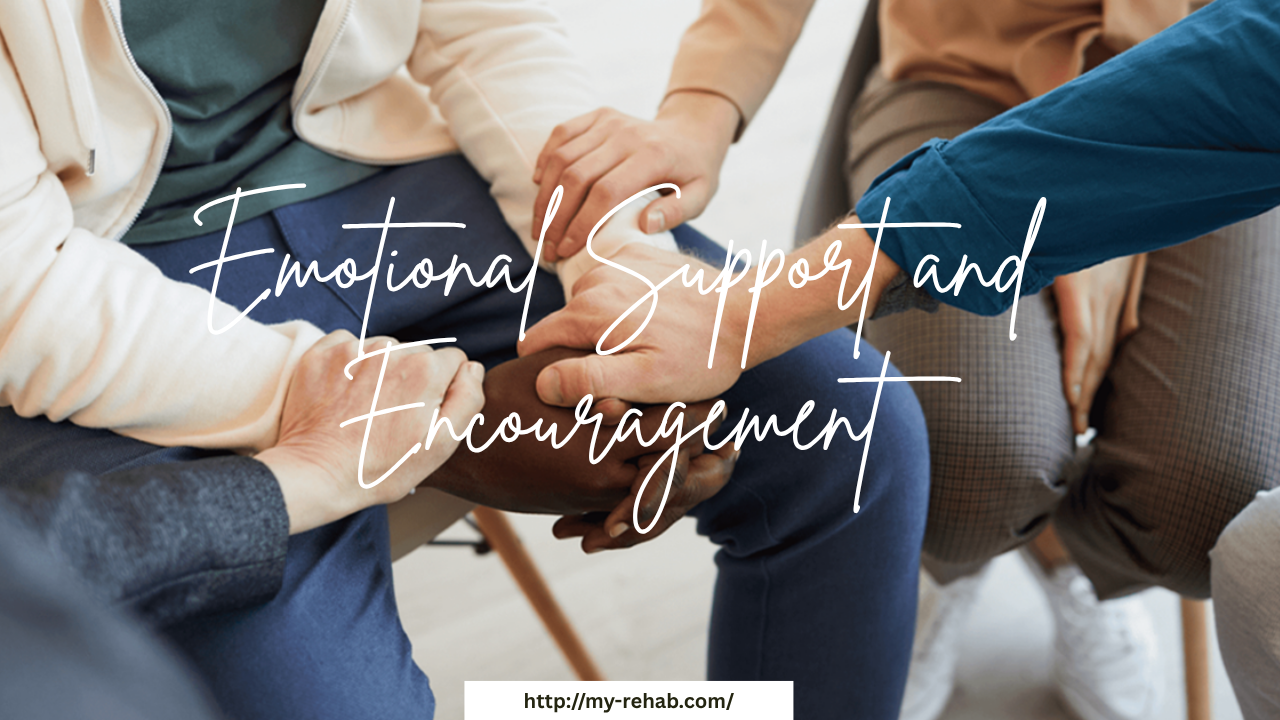
At My-Rehab, we know that addressing substance use alone is not enough. Dual diagnosis treatment ensures that both mental health conditions and addiction are treated simultaneously. This approach strengthens resilience and reduces the likelihood of relapse.
Breaking the Cycle: Pathways to Recovery
Inpatient and Outpatient Programs
Every recovery journey is unique. Some individuals benefit from inpatient care, where they receive around-the-clock support in a safe environment. Others may choose outpatient programs that allow them to maintain family or work responsibilities while attending therapy. Both options provide access to evidence-based care tailored to individual needs.
Holistic and Faith-Based Healing
True recovery goes beyond stopping substance use. It involves healing the mind, body, and spirit. Our holistic programs include practices such as mindfulness, nutrition counseling, and creative therapies. For those who draw strength from faith, spiritual support can be woven into their recovery journey, fostering hope and renewal.
Choosing Hope Over Ruin
The gateway effect of painkillers is a stark reminder of how quickly relief can turn into ruin. Yet recovery is always possible with the right support. At My-Rehab, we are committed to guiding individuals and families through the challenges of addiction with compassion, expertise, and personalized care.
If you or a loved one is struggling with painkiller dependency, now is the time to take action. Reach out today and discover a path toward lasting recovery and a brighter future.