Monthly Archives: November 2025

The Science of Addiction: How Drugs Affect the Brain and Behavior

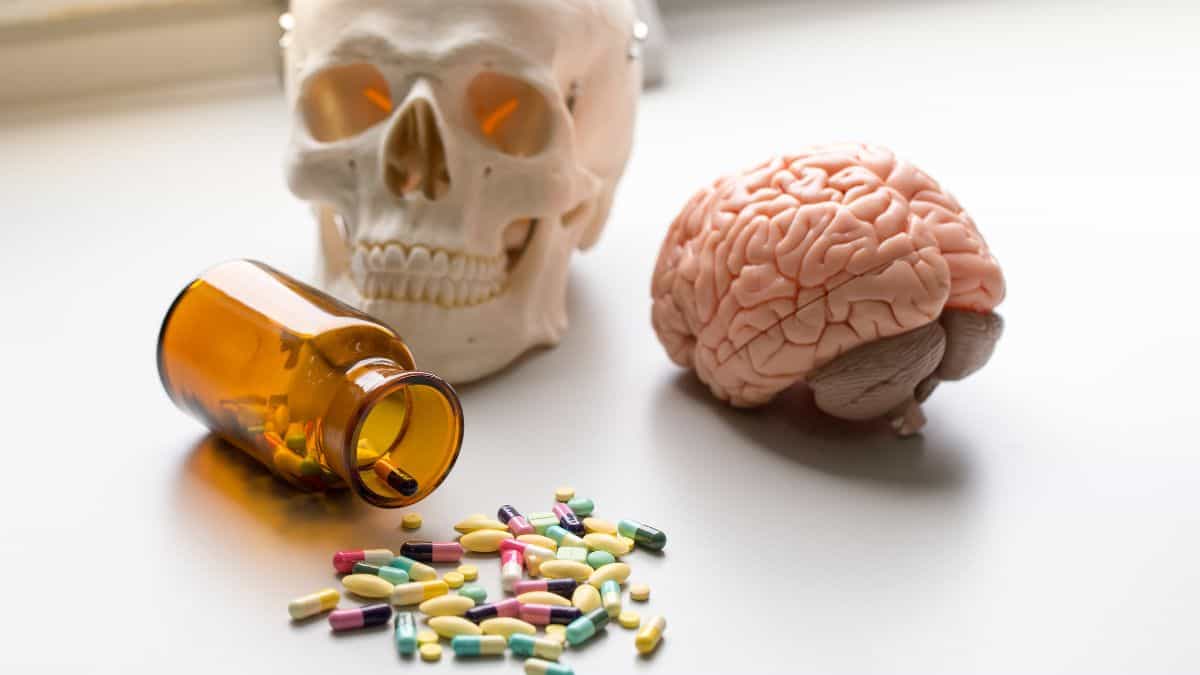
Addiction is more than a matter of willpower. It is a complex disease that alters the brain’s structure and function, affecting behavior, decision-making, and emotional regulation. Understanding the science behind addiction can help individuals, families, and communities approach recovery with compassion and informed strategies. At My-Rehab, we combine evidence-based treatment, mental health support, and holistic care to guide clients toward lasting recovery.

How Drugs Change the Brain

The Role of Neurotransmitters

Drugs interact with the brain by affecting neurotransmitters, the chemical messengers that regulate mood, motivation, and reward. Substances such as opioids, alcohol, and stimulants artificially increase dopamine levels, creating intense feelings of pleasure or euphoria. While these effects may feel rewarding in the short term, repeated exposure rewires the brain’s reward system, making natural sources of satisfaction less effective.

Brain Regions Involved in Addiction

Several key areas of the brain are impacted by substance use:

  • The nucleus accumbens, which drives pleasure and reward-seeking behaviors
  • The prefrontal cortex, responsible for decision-making and impulse control
  • The amygdala, which governs stress responses and emotional memory

When these regions are altered, individuals may experience cravings, impaired judgment, and compulsive drug-seeking behaviors, even when they understand the negative consequences.

Behavioral Consequences of Addiction

Compulsive Use and Cravings

As brain pathways change, drug-seeking behavior becomes a priority over other activities. Cravings are often intense, triggered by environmental cues, stress, or emotional pain. This is why relapse is common and why professional support is critical during recovery.

Emotional and Cognitive Effects

Addiction affects mood, memory, and attention. Many individuals experience anxiety, depression, irritability, or difficulty concentrating. These cognitive and emotional challenges can exacerbate substance use, creating a cycle that is hard to break without targeted intervention.

Social and Lifestyle Impacts

Behavioral changes also affect relationships, work, and daily life. Addiction often leads to social isolation, financial problems, and legal challenges, further reinforcing stress and drug use. Addressing these social factors is an essential part of comprehensive recovery.

Evidence-Based Approaches to Recovery

Medical Detox and Inpatient Care

Recovery begins with safely managing withdrawal symptoms through medical detox when needed. Inpatient programs provide 24-hour supervision, therapy, and a structured environment to stabilize the brain and body.

Outpatient Programs and Therapy

Outpatient care allows individuals to continue responsibilities while receiving therapy, counseling, and support. Cognitive Behavioral Therapy, Motivational Interviewing, and trauma-informed care help clients understand triggers and develop healthy coping strategies.

Holistic and Faith-Based Support

Healing the brain and body also involves addressing emotional, spiritual, and lifestyle factors. Holistic approaches at My-Rehab include mindfulness, yoga, nutrition counseling, and creative therapies. For clients seeking spiritual guidance, faith-based programs offer additional hope and purpose.

Dual Diagnosis Treatment

Many individuals struggling with addiction also face co-occurring mental health conditions such as depression, anxiety, or PTSD. Treating both addiction and mental health simultaneously improves recovery outcomes and reduces relapse risk.

Recovery is Possible with the Right Support

Addiction is a disease that changes the brain, affects behavior, and challenges every aspect of life. Understanding its science helps break stigma and emphasizes the need for professional treatment. At My-Rehab, we provide compassionate, personalized care that addresses the physical, emotional, and spiritual dimensions of addiction.

If you or a loved one is struggling with substance use, the first step toward healing is reaching out. Contact My-Rehab today to learn how science-based treatment, holistic therapies, and individualized care can help rebuild lives and restore hope.

Beyond Detox: Comprehensive Approaches to Long-Term Recovery

Detox is often the first step toward sobriety, but it is only the beginning of a much deeper healing process. True recovery requires ongoing support, emotional rebuilding, and the development of long-term coping strategies. At My-Rehab, clients are guided through every stage of this journey with care, structure, and compassion. Long-term recovery is achievable, and understanding what comes after detox can make all the difference for those seeking lasting change.

Why Recovery Must Go Further Than Detox

Detox cleanses the body of harmful substances, but it does not address the emotional, psychological, and spiritual factors that fuel addiction. Without continued treatment, the risk of relapse increases significantly. Comprehensive recovery programs help individuals rebuild their lives in a stable, intentional way by strengthening mental health, restoring personal confidence, and creating healthier habits.

This is where My-Rehab offers a powerful and personalized path forward.

The Importance of Personalized Treatment Planning

Every person’s story is different. Their struggles, history, triggers, and strengths all shape the type of support they need.

Holistic Assessment

A thorough evaluation helps identify physical health needs, co-occurring mental health conditions, trauma history, and lifestyle factors. These insights guide a treatment plan that feels practical, individualized, and supportive.

Client-Centered Care

At My-Rehab, treatment plans are not generic. They are tailored to each client’s goals, challenges, and personal beliefs, ensuring that care is meaningful and effective.

Therapeutic Approaches That Support Long-Term Recovery

Evidence-Based Therapies

Therapies such as Cognitive Behavioral Therapy, Motivational Interviewing, and trauma-informed counseling help clients reshape harmful thought patterns and build healthier coping mechanisms. These tools are essential for sustaining sobriety and preventing relapse.

Dual Diagnosis Treatment

Many individuals face both addiction and mental health challenges. Addressing these together is crucial. Treating anxiety, depression, or trauma helps clients feel grounded and stable, reducing the emotional triggers that often lead to substance use.

Group and Family Counseling

Recovery is stronger when support systems grow with it. Group therapy helps individuals feel understood and less alone, while family counseling rebuilds communication, trust, and connection.

Integrating Holistic and Faith-Based Healing

Holistic therapies help clients reconnect with themselves and build resilience. Some options at My-Rehab include:

  • Mindfulness and meditation
  • Yoga and movement therapy
  • Nutrition and wellness coaching
  • Spiritual counseling for those who seek faith-based healing

These approaches strengthen emotional balance and give clients tools they can use long after treatment ends.

The Role of Inpatient and Outpatient Programs in Long-Term Success

Inpatient Care

Inpatient programs provide structure, safety, and focused healing. They are ideal for individuals who need stability or are transitioning out of detox and require more intensive support.

Outpatient Care

Outpatient treatment is ideal for people balancing recovery with work, family life, or school. It offers ongoing guidance while encouraging clients to apply their new skills in real life.

Both options play a vital role in maintaining progress and preventing relapse.

Life After Treatment: Building a Sustainable Future

Long-term recovery requires ongoing commitment. My-Rehab provides aftercare planning, relapse prevention strategies, and community support to help individuals maintain momentum. This stage often includes:

  • Continued therapy
  • Support groups
  • Sober living options
  • Lifestyle planning and goal setting

Recovery becomes stronger when clients feel prepared, supported, and confident in their next steps.

Your Path to Lasting Recovery Starts Here

Detox may begin the process, but true healing happens in the months and years that follow. With comprehensive treatment, emotional support, and a personalized plan, long-term recovery becomes not only possible but life-changing. At My-Rehab, clients receive compassionate, expert care designed to rebuild hope and restore purpose.

If you or someone you love is ready to go beyond detox and create a future rooted in strength and stability, reach out to My-Rehab today. Help is available, and healing begins with one courageous step.

Substance Abuse 101: Recognizing the Signs Before It’s Too Late

Addiction often begins quietly. A few pills for pain, a drink to unwind, or a substance used to escape emotional stress can gradually evolve into dependency. By the time the warning signs become visible, the problem may already feel overwhelming. Recognizing substance abuse early can make all the difference between temporary struggle and lasting damage. At My-Rehab, we believe that awareness, compassion, and timely support are the keys to breaking the cycle before it’s too late.

Understanding Substance Abuse

Substance abuse occurs when the use of alcohol, prescription medication, or illegal drugs begins to harm one’s health, relationships, or responsibilities. What starts as casual or medically guided use can lead to physical and emotional dependence. Over time, the brain’s chemistry changes, creating powerful cravings that make quitting difficult without professional help.

While addiction can affect anyone, no matter their age, background, or status, the path to recovery is equally universal. With the right support, education, and care, anyone can reclaim control and begin to heal.

Common Warning Signs of Substance Abuse

Physical Changes

Physical symptoms often appear first, though they can be subtle. Look out for signs such as:

  • Sudden weight loss or gain
  • Unexplained fatigue or changes in sleep patterns
  • Poor hygiene or a noticeable decline in appearance
  • Red or glazed eyes, frequent nosebleeds, or tremors

Emotional and Behavioral Changes

Addiction impacts the mind as much as the body. Emotional instability and behavioral shifts may include:

  • Increased irritability, anxiety, or depression
  • Secretive or suspicious behavior
  • Withdrawal from family, friends, or social activities
  • Decline in work or school performance
  • Unusual spending habits or financial strain

Social and Relationship Struggles

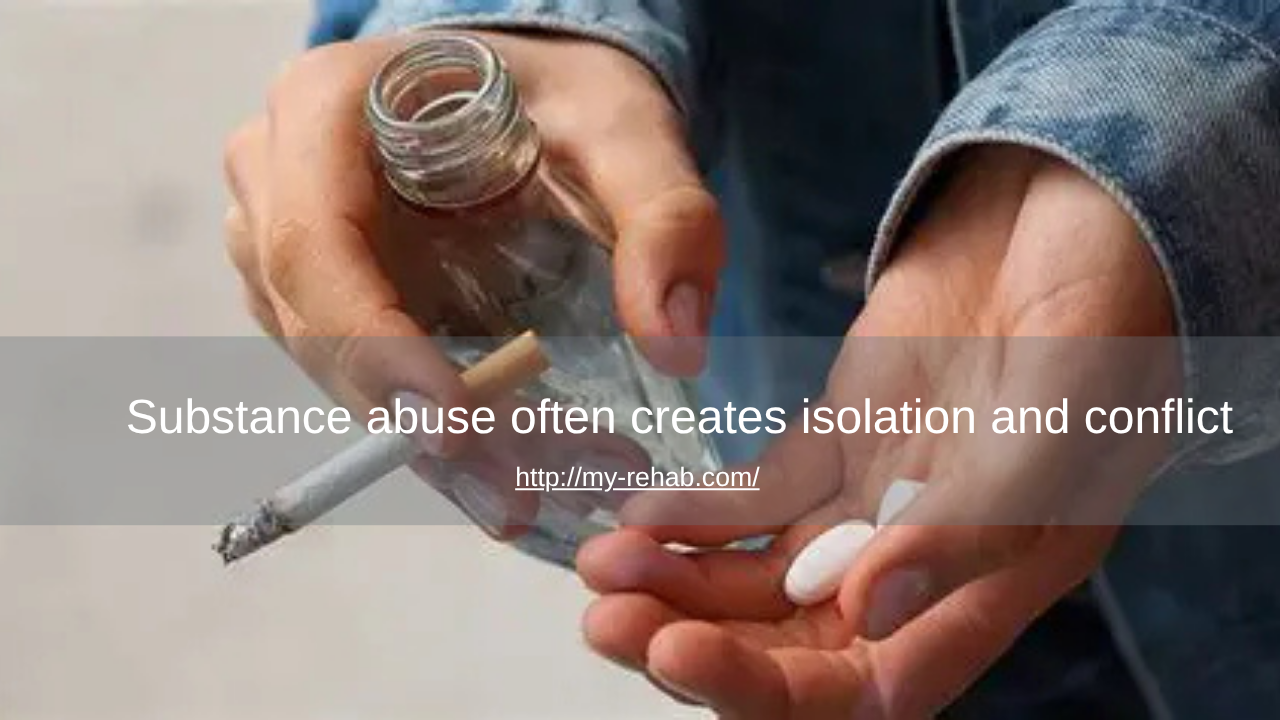
Substance abuse often creates isolation and conflict. You may notice frequent arguments, broken trust, or loss of interest in relationships. As dependency deepens, individuals may prioritize substance use over loved ones, leading to guilt and shame that further fuel the addiction cycle.

Why Early Recognition Matters

Identifying substance abuse early can significantly improve recovery outcomes. The sooner someone receives professional help, the easier it becomes to prevent severe health complications and rebuild emotional stability. Early intervention also helps protect careers, families, and personal goals that can be deeply affected by prolonged substance misuse.

At My-Rehab, we encourage families and individuals to act quickly when they notice the warning signs. Reaching out for professional evaluation does not mean judgment—it means taking a life-saving step toward healing.

How My-Rehab Helps Break the Cycle

Comprehensive Treatment Options

My-Rehab offers both inpatient and outpatient programs designed to meet each client’s unique needs. Inpatient care provides a structured environment for those requiring intensive support, while outpatient programs offer flexibility for individuals balancing recovery with daily responsibilities.

Addressing Mental Health and Root Causes

Addiction is often linked to underlying mental health challenges such as depression, trauma, or anxiety. Through evidence-based therapies and dual-diagnosis treatment, My-Rehab helps clients understand the emotional triggers that contribute to substance use and empowers them to build healthier coping mechanisms.

Holistic and Faith-Based Healing

Recovery is more than abstaining from drugs or alcohol—it is about restoring balance and purpose. Holistic treatments such as mindfulness, yoga, nutrition therapy, and spiritual counseling help clients reconnect with themselves on a deeper level. Faith-based programs also provide additional strength and hope for those who draw comfort from spirituality.

It’s Never Too Early—or Too Late—to Seek Help

Recognizing the signs of substance abuse is the first and most crucial step toward recovery. Whether the symptoms are just emerging or the addiction has taken hold, help is available. At My-Rehab, our compassionate, client-centered team provides the tools, guidance, and understanding needed to heal both the mind and body.

If you or someone you love is struggling with substance abuse, don’t wait for the situation to worsen. Reach out to My-Rehab today to learn more about treatment options that can transform pain into purpose and restore hope for a brighter, sober future.