Monthly Archives: September 2025

Breaking Free: Proven Paths to Overcoming Opiate Dependency

Opiate addiction is one of the most challenging battles an individual and their family can face. What often begins with prescribed pain relief can quickly turn into a dependency that impacts every part of life. The good news is that recovery is possible. With the right treatment, support, and commitment, countless people have broken free from opiate dependency and built fulfilling, sober lives. At My-Rehab, we provide compassionate, individualized care designed to guide each person toward lasting recovery.

Understanding Opiate Dependency

How It Develops

Opiates work by altering brain chemistry, binding to receptors that reduce pain and release dopamine. While this provides temporary relief, the brain can become reliant on these substances to function normally. Over time, tolerance builds, withdrawal symptoms appear, and the cycle of dependency takes hold.

Why It Is Hard to Break Alone

Attempting to stop opiates without professional support can be overwhelming. The withdrawal process is physically uncomfortable and emotionally draining. Without medical and therapeutic guidance, relapse is common. That is why structured recovery programs are essential.

Proven Paths to Recovery

Medically Supervised Detox

The first step toward overcoming dependency is often detox. Under medical supervision, individuals can safely withdraw from opiates while receiving care that eases discomfort and reduces risks. A supervised detox sets the stage for deeper healing.

Inpatient and Outpatient Programs

Recovery does not stop at detox. Long-term success requires ongoing treatment.

  • Inpatient programs provide 24-hour care in a structured environment, ideal for those who need intensive support.
  • Outpatient programs allow individuals to continue daily responsibilities while attending therapy sessions and receiving care.

Both approaches are available at My-Rehab, with treatment plans tailored to meet each person’s needs.

Addressing Mental Health and Trauma

Many people struggling with opiate addiction also face underlying mental health challenges such as depression, anxiety, or unresolved trauma. Through dual diagnosis treatment, My-Rehab helps individuals heal both their mental health and substance use issues simultaneously, strengthening their path to recovery.

Holistic and Faith-Based Approaches

Healing the Whole Person

Addiction is not just physical. It affects emotional well-being, spiritual life, and relationships. That is why we incorporate holistic therapies such as mindfulness, nutrition counseling, art, and exercise into our programs. These approaches build resilience and encourage balance in everyday life.

Finding Strength in Faith

For individuals who seek spiritual growth, faith-based programs offer additional support. By integrating spiritual guidance into recovery, many find renewed hope and a deeper sense of purpose as they move forward.

Building a Life Beyond Addiction

Recovery is more than stopping opiates. It is about creating a healthier, more meaningful life. At My-Rehab, individuals learn coping skills, rebuild relationships, and discover new ways to thrive without relying on substances. Ongoing support, community involvement, and aftercare programs help sustain long-term success.

Your Journey to Freedom Starts Today

Breaking free from opiate dependency is not easy, but it is possible with the right support. At My-Rehab, we are committed to walking with you every step of the way, offering compassionate care, proven therapies, and a personalized plan designed to meet your unique needs.

If you or a loved one is struggling with opiate addiction, now is the time to take action. Reach out to My-Rehab today and begin the journey toward freedom, healing, and hope.
From Relief to Ruin: Understanding the Gateway Effect of Painkillers

Prescription painkillers have long been a trusted solution for managing severe pain after surgery, injury, or chronic illness. While they often provide necessary relief in the short term, these medications carry a hidden danger. The very drugs designed to help can become a powerful gateway to dependency, creating a cycle that devastates lives and families. At My-Rehab, we believe in shedding light on this issue and offering compassionate, individualized paths to recovery.

The Gateway Effect Explained

How It Begins

The gateway effect refers to the transition from using prescription painkillers as directed to developing a dependency that may lead to illicit drug use. Painkillers interact with the brain’s reward system, releasing dopamine and creating feelings of euphoria. Over time, tolerance builds, and individuals require higher doses to feel the same relief. What starts as a medical necessity can quickly spiral into an unmanageable habit.

Why Painkillers Pose Unique Risks

Unlike recreational drugs that are immediately recognized as dangerous, painkillers carry a sense of legitimacy. They are prescribed by doctors and filled at pharmacies, which creates a false perception of safety. This perception delays recognition of the problem, allowing dependence to deepen before it is addressed.

From Prescription to Addiction

Escalating Use

As tolerance grows, some patients may run out of their prescriptions early or begin misusing their medication. This can involve taking higher doses than prescribed, mixing with alcohol, or seeking additional prescriptions from multiple providers.

Transition to Illicit Substances

When prescriptions are no longer available, many individuals turn to illicit opioids such as heroin or fentanyl. These substances are often more accessible and less expensive, but far more dangerous. This transition is one of the leading drivers of the opioid epidemic and contributes significantly to overdose deaths.

The Role of Mental Health in the Cycle

Emotional Vulnerabilities

Underlying mental health conditions such as depression, trauma, or anxiety often intensify the cycle of dependency. Painkillers can temporarily mask emotional pain, making them appealing beyond physical relief. This dual reliance deepens the risk of long-term addiction.

Treating the Whole Person

At My-Rehab, we know that addressing substance use alone is not enough. Dual diagnosis treatment ensures that both mental health conditions and addiction are treated simultaneously. This approach strengthens resilience and reduces the likelihood of relapse.

Breaking the Cycle: Pathways to Recovery

Inpatient and Outpatient Programs

Every recovery journey is unique. Some individuals benefit from inpatient care, where they receive around-the-clock support in a safe environment. Others may choose outpatient programs that allow them to maintain family or work responsibilities while attending therapy. Both options provide access to evidence-based care tailored to individual needs.

Holistic and Faith-Based Healing

True recovery goes beyond stopping substance use. It involves healing the mind, body, and spirit. Our holistic programs include practices such as mindfulness, nutrition counseling, and creative therapies. For those who draw strength from faith, spiritual support can be woven into their recovery journey, fostering hope and renewal.

Choosing Hope Over Ruin

The gateway effect of painkillers is a stark reminder of how quickly relief can turn into ruin. Yet recovery is always possible with the right support. At My-Rehab, we are committed to guiding individuals and families through the challenges of addiction with compassion, expertise, and personalized care.

If you or a loved one is struggling with painkiller dependency, now is the time to take action. Reach out today and discover a path toward lasting recovery and a brighter future.

The Prescription Trap: Why Legal Painkillers Lead to Illegal Habits

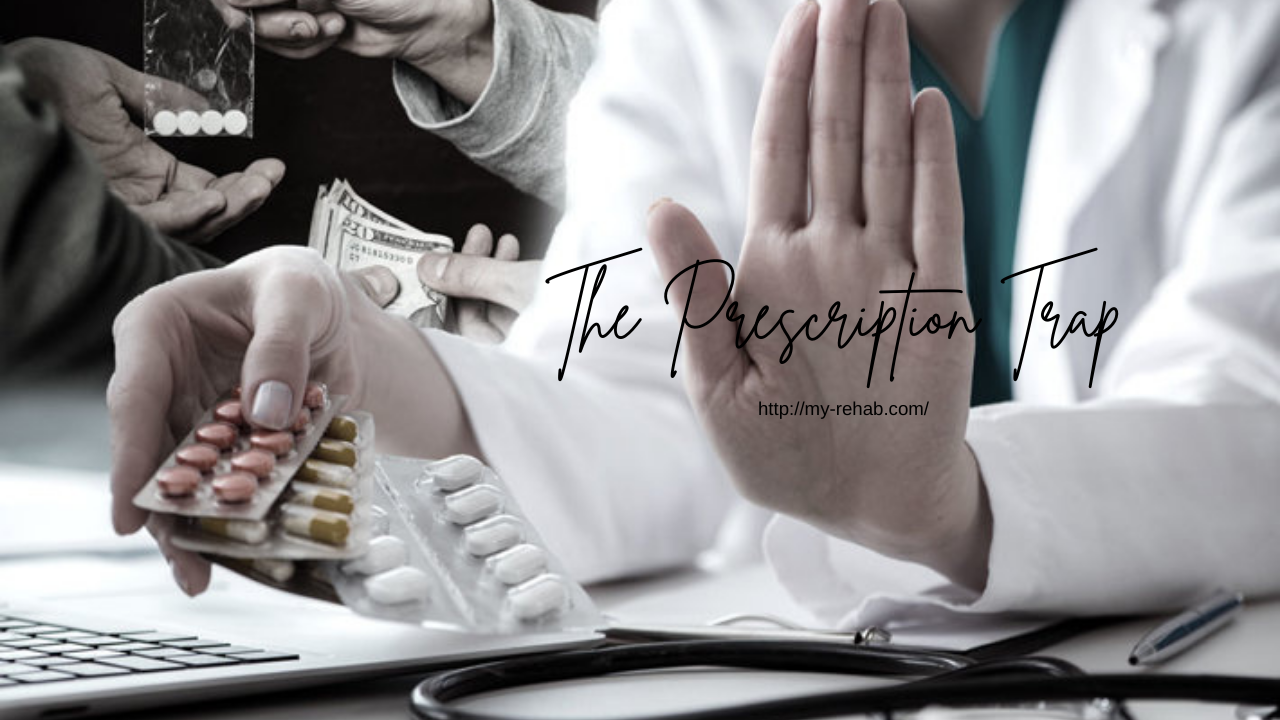
Prescription painkillers are often introduced as a trusted solution for relief after surgery, injury, or chronic pain. For many, they provide short-term comfort and a return to normal life. Yet behind the safety of a doctor’s prescription lies a serious risk. Legal painkillers can create a dependency that pushes individuals toward dangerous and illegal habits. At My-Rehab, we witness this hidden progression every day and provide the tools people need to break free from its grip.

Understanding the Prescription Trap

How Dependency Begins

Opiates and other strong painkillers work by attaching to receptors in the brain, blocking pain and triggering a sense of calm. Over time, the body adjusts, requiring higher doses for the same effect. What began as safe and controlled use becomes a cycle of tolerance and dependence.

The Illusion of Safety

Because these medications come from a pharmacy and are prescribed by professionals, many underestimate their addictive potential. People often tell themselves they are still in control until physical withdrawal symptoms appear. This illusion of safety makes the descent into dependency harder to recognize.

From Legal to Illegal: The Risky Transition

Running Out of Prescriptions

When prescriptions expire, individuals who have developed dependence often feel desperate to avoid painful withdrawal symptoms. This desperation can lead to doctor shopping, forging prescriptions, or turning to street alternatives.

Turning to Illicit Opiates

Street drugs such as heroin or illicit fentanyl are often cheaper and easier to obtain than prescription refills. Sadly, this shift is one of the leading causes of overdose deaths, as illegal substances are unregulated and frequently mixed with dangerous additives.

The Role of Mental Health in Addiction

Emotional and Psychological Triggers

Underlying mental health issues such as anxiety, depression, or trauma often intensify the cycle of painkiller dependency. When individuals rely on opioids to numb emotional distress as well as physical pain, breaking free becomes even more challenging.

Dual Diagnosis Treatment

At My-Rehab, we recognize that addiction rarely exists alone. Our integrated treatment programs address both substance use and co-occurring mental health conditions. This dual focus provides a foundation for lasting recovery.

Building a Path to Recovery

Inpatient and Outpatient Care

Recovery is not one-size-fits-all. Some individuals benefit from inpatient care, where they receive structured, around-the-clock support. Others may thrive in outpatient programs that allow them to continue working or caring for their families while attending therapy. At My-Rehab, every plan is personalized to meet individual needs.

Holistic and Faith-Based Healing

True recovery requires healing of the mind, body, and spirit. That is why we offer holistic options such as mindfulness, nutrition counseling, and creative therapies. For those who draw strength from faith, spiritual guidance and reflection can be incorporated into treatment. These approaches create a more balanced and fulfilling path to sobriety.

Breaking Free From the Trap

The prescription trap is a reality that has ensnared millions, turning legal use into dangerous dependency and often into illegal habits. But there is hope. With comprehensive addiction recovery services, mental health treatment, and holistic care, freedom from opiate dependency is possible.

At My-Rehab, we believe in compassionate, individualized care that empowers individuals to reclaim their lives. If you or someone you love is caught in the cycle of painkiller dependency, reach out today. Your journey to recovery can begin now, and together we can build a healthier future.