Monthly Archives: July 2025

Prescription to Prison: How Painkillers Spark the Opiate Epidemic

The opiate epidemic gripping many parts of the world today did not begin in back alleys or with illicit street drugs—it began in doctors’ offices and pharmacies. What was once a trusted tool for pain relief has become the entry point to one of the deadliest public health crises of our time. The journey from prescription to prison is a tragic path that too many individuals have followed, beginning with legitimate pain management and ending in addiction, criminal charges, or worse.

The Roots of the Crisis

In the 1990s, pharmaceutical companies aggressively marketed opioid painkillers—like oxycodone, hydrocodone, and fentanyl—as safe and effective solutions for chronic pain. These drugs were prescribed widely, even for conditions where less powerful medications would have sufficed. Doctors, encouraged by misleading information about addiction risks, wrote prescriptions at record levels.

Unfortunately, opioids are highly addictive. Patients using them for legitimate pain began to build a tolerance, needing higher doses to achieve the same relief. This cycle led many to dependency—often without realizing the danger until it was too late. When prescriptions ran out, some turned to illicit alternatives like heroin or illegally manufactured fentanyl, both cheaper and more accessible on the street.

The Descent into Addiction and Criminalization

Once physical dependence sets in, addiction takes hold not just in the body, but in every aspect of life. People desperate to avoid withdrawal symptoms may resort to doctor shopping, prescription forgery, or buying drugs illegally. As their lives unravel, criminal charges often follow—possession, theft, or even dealing to support their habit.

This “prescription to prison” pipeline is particularly troubling because many who end up incarcerated were not hardened criminals, but individuals seeking pain relief. The justice system often struggles to differentiate between addiction-related behaviors and intentional criminal conduct, resulting in harsh penalties rather than treatment and support.

The Human Toll

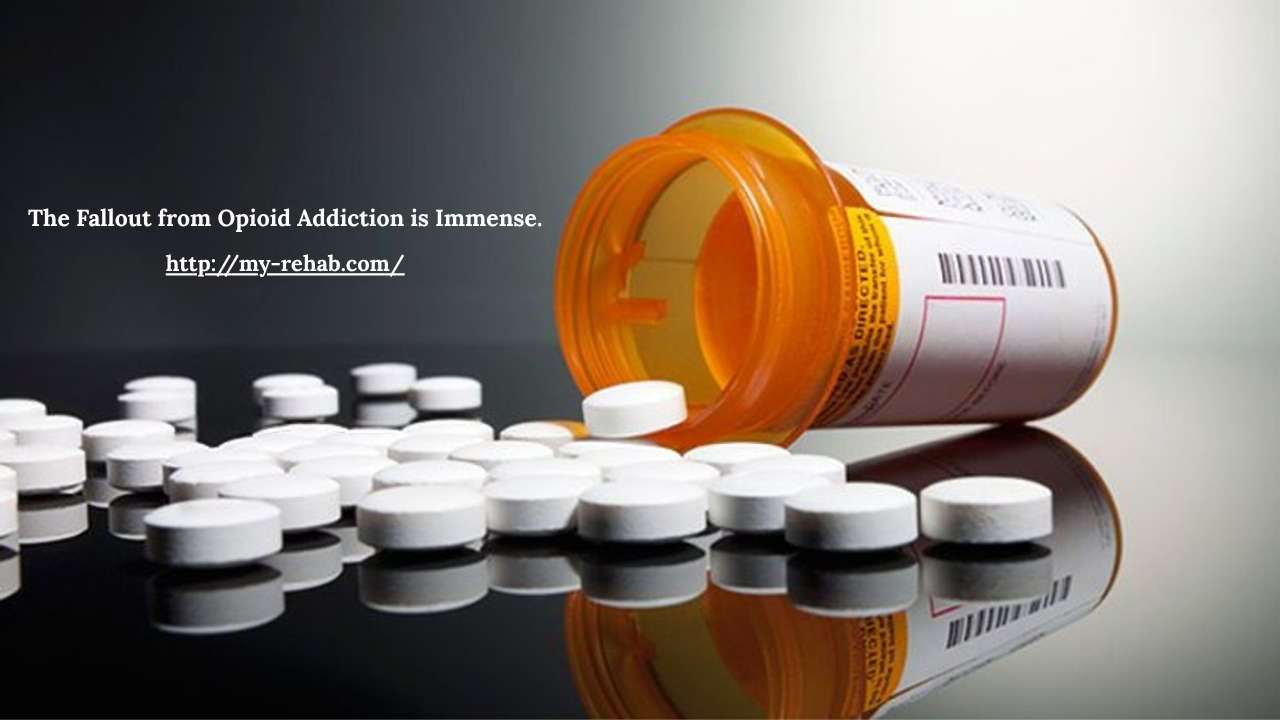
The fallout from opioid addiction is immense. Families are torn apart, careers are lost, and communities suffer. Overdose deaths have soared in recent years, with synthetic opioids like fentanyl leading the charge. Incarceration doesn’t solve the root problem—it often worsens it. Jails and prisons are ill-equipped to treat addiction, leading to high rates of relapse and recidivism upon release.

Fighting Back: Solutions and Hope

Reversing the damage caused by the opioid epidemic requires a multi-pronged approach. First, responsible prescribing practices must be adopted, with a greater emphasis on non-opioid pain management options. Public awareness campaigns can educate people on the risks of opioid use before addiction starts.

Most importantly, addiction must be treated as a health issue—not a moral failing or a crime. Expanding access to evidence-based treatment, including medication-assisted therapy (MAT) and mental health support, is essential. Drug courts and diversion programs that offer treatment instead of jail time are already showing promise across the country.

Conclusion

The path from prescription to prison is one paved with pain, misunderstanding, and systemic failure. But with education, compassionate care, and policy reform, we can shift from punishment to healing—giving people the tools they need to reclaim their lives and end the epidemic at its root.

Medication-Assisted Treatment (MAT): A Game Changer for Opiate Addiction Recovery

Opiate addiction is a devastating condition that affects individuals physically, mentally, and emotionally. While traditional treatment methods such as counseling and behavioral therapy remain essential, Medication-Assisted Treatment (MAT) has emerged as a revolutionary approach that significantly improves recovery outcomes. MAT combines FDA-approved medications with therapy and support to treat opiate addiction holistically and effectively.

What is Medication-Assisted Treatment?

MAT is the use of medications, in combination with counseling and behavioral therapies, to treat substance use disorders, particularly opioid addiction. The goal is to stabilize brain chemistry, block the euphoric effects of opioids, relieve physiological cravings, and normalize body functions.

Common Medications Used in MAT

1. Methadone

Methadone is a long-acting opioid agonist that reduces withdrawal symptoms and cravings without producing the high associated with opioid abuse. It is dispensed in specialized clinics under close medical supervision.

2. Buprenorphine

Buprenorphine is a partial opioid agonist that helps manage withdrawal and cravings with a lower risk of misuse. It can be prescribed in a doctor’s office, increasing accessibility for patients.

3. Naltrexone

Naltrexone is an opioid antagonist that blocks the effects of opioids in the brain. It is non-addictive and does not produce withdrawal symptoms but requires complete detoxification before use.

Benefits of MAT in Opiate Addiction Recovery

1. Reduces Cravings and Withdrawal Symptoms

MAT addresses the physiological aspects of addiction by reducing the discomfort of withdrawal and suppressing cravings, which are major triggers for relapse.

2. Improves Treatment Retention

Studies show that individuals in MAT programs are more likely to remain in treatment longer compared to those in abstinence-only programs. Longer treatment duration is linked to better long-term outcomes.

3. Lowers Risk of Overdose and Death

MAT significantly reduces the risk of fatal overdose by stabilizing brain chemistry and preventing the high that comes from opioid misuse. It is especially effective for individuals who have experienced multiple relapses.

4. Supports Long-Term Recovery

By combining medication with behavioral therapies, MAT addresses both the physical and psychological components of addiction. This integrated approach supports comprehensive healing and sustained sobriety.

Addressing Misconceptions About MAT

Despite its effectiveness, MAT often faces stigma and misunderstanding. Some believe that using medication to treat addiction simply replaces one drug with another. However, MAT medications are carefully regulated and used as part of a structured treatment plan. When monitored appropriately, MAT helps individuals regain control of their lives without producing a high or fostering new dependencies.

Integration with Holistic and Behavioral Therapies

MAT works best when integrated with counseling, therapy, and social support. Cognitive Behavioral Therapy (CBT), group counseling, family therapy, and holistic practices like mindfulness and nutrition all play a crucial role in reinforcing recovery efforts.

Conclusion

Medication-Assisted Treatment is a game changer in the fight against opiate addiction. By reducing cravings, preventing relapse, and supporting long-term recovery, MAT provides hope and a path forward for individuals struggling with opioid dependence. When combined with comprehensive therapy and compassionate care, MAT empowers individuals to rebuild their lives and achieve lasting sobriety.